
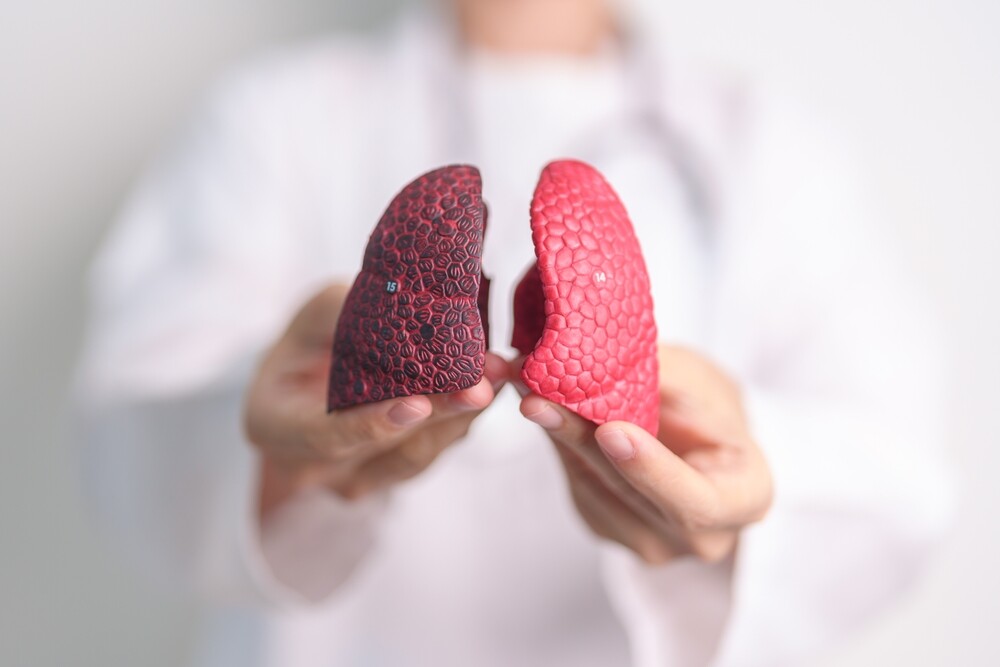
Quitting smoking is one of the best health decisions you can make. After you stop smoking, your risk of lung cancer decreases leaps and bounds, your heart rate and blood pressure level off, your risk of heart disease can cut in half, your body gets an immune system boost … there are tons of benefits headed your way when you decide to quit. Props to you for making this amazing decision! The hardest part—making the first move to quit—is over, and you already have much to be proud of.
If you’ve gotten over the quitting hump or are looking a little down the road, you might be more curious about the long-term effects of smoking even after you’ve quit. You likely have a lot of questions about one of your organs most affected by a history of smoking: your lungs. Unfortunately, the risk of lung cancer after stopping smoking doesn’t disappear overnight. However, there are powerful steps you can take to support your lung health, reduce inflammation, and nourish your body naturally. At Lindgren Functional Medicine in Green Bay, we help people navigate this journey with science-backed support and personalized care.
Let’s explore what really happens to the lungs after quitting, what the risk of lung cancer after stopping smoking looks like, and how to give your lungs the healing support they need.
What Happens to the Lungs After You Stop Smoking?
Your lungs begin to heal the moment you stop smoking. While some effects of smoking are long-term, your body is remarkably resilient and starts repairing itself fairly quickly.
Here’s a timeline of changes in the lungs after quitting:
- Within 20 minutes, heart rate and blood pressure begin to drop.
- After 12 hours, carbon monoxide levels in the blood return to normal.
- In 2 weeks to 3 months, lung function begins to improve.
- After 1 year, coughing and shortness of breath decrease significantly.
- After 10 years, the risk of lung cancer is reduced by up to 50% compared with someone who continues smoking.
While the body’s healing process is incredible, you’ll still have a higher risk of lung cancer than someone who has never had a habit of smoking. This is because smoking causes long-term DNA damage, chronic inflammation, and scarring that may persist. Not the happiest news, we know, but hang in there. We’re getting to good news soon (spoiler: there are things you can do to optimize lung health!).
Why Does the Risk of Lung Cancer Linger After Quitting?
Even after you quit, smoking history may cause the lungs to have the following setbacks:
- Damaged cells with mutations that can become cancerous over time
- Chronic inflammation, which can contribute to ongoing irritation in lung tissues
- Decreased immune function, making it harder to detect and destroy abnormal cells early
The risk of lung cancer after stopping smoking does depend on several factors that can mitigate or exacerbate your cancer risk. You should discuss each of the factors with your doctor to understand your unique risk level.
- How long and how heavily you smoked
- Your age when you quit
- Family history and genetic factors
- Environmental exposures (asbestos, radon, etc.)
- Overall health, including diet and lifestyle
But here’s the encouraging part: Lifestyle changes, targeted supplements, and functional medicine strategies can reduce inflammation, support detoxification, and enhance your body’s ability to repair.
Supplements That Support Lung Health After Stopping Smoking
Functional medicine takes a whole-body approach to healing, including helping your lungs recover after years of smoking. While no supplement can guarantee prevention, several nutrients and herbs can support your body’s natural detox and repair systems.
Here are some top supplements for lung health:
-
N-Acetyl Cysteine (NAC)
- Helps break down mucus in the lungs
- Supports liver detoxification
- Acts as a powerful antioxidant
-
Glutathione
- Is known as the body’s “master antioxidant”
- Helps repair oxidative damage caused by smoking
- Can be taken orally or via IV therapy for better absorption. You can learn more about our IV therapy here. We offer glutathione as an add-on to our other treatments.
-
Vitamin C
- Replenishes vitamin levels that were diminished by smoking
- Boosts immune function and tissue repair
- Reduces oxidative stress in lung tissue
-
Omega-3 Fatty Acids
- Provides anti-inflammatory support
- Helps reduce chronic lung inflammation
- Is found in fish oil or plant-based algae oils and OTC tablets
-
Quercetin
- Is a natural antioxidant flavonoid
- May reduce histamine and allergic inflammation in the lungs
- Supports healthy immune function
-
Cordyceps Mushroom
- Is traditionally used to improve respiratory function
- Enhances oxygen utilization
- Supports lung endurance and recovery
-
Vitamin D
- Refresh the body’s diminished supply from smoking
- Helps modulate immune response
- May lower inflammation in lung tissue
Before beginning any supplement routine, it’s important to speak with a provider who understands your health history and risk factors.
Lifestyle Habits That Help Heal the Lungs
Alongside supplements, certain lifestyle changes can dramatically improve lung function and lower the risk of lung cancer after stopping smoking.
Here are a few especially helpful habits:
- Deep Breathing Exercises: Perform to encourage full lung expansion and oxygen flow.
- Regular Exercise: Engage in to increase lung capacity and circulation.
- Clean Air: Use air purifiers and avoid secondhand smoke or chemical exposure.
- Anti-Inflammatory Diet: Focus on fruits, vegetables, and omega-3s, and avoid processed foods.
- Hydration: Drink plenty of water to help thin mucus and support detox.
- Stress Management: Experience greater immune function and lower inflammation levels.
Functional Medicine for Long-Term Lung Health
Functional medicine digs deeper than conventional care. Instead of just monitoring for symptoms, we look at root causes that may contribute to lung health and overall health, including the following:
- Hidden inflammation
- Mitochondrial dysfunction
- Nutrient deficiencies
- Environmental toxin exposure
If any of these are causing health issues, we’ll make sure to make a treatment plan to heal the issue right at the source. By addressing these factors, we support your wellness and your body’s healing process—something especially important when managing the risk of lung cancer after stopping smoking.
At Lindgren Functional Medicine in Green Bay, we offer the following:
- Advanced testing to assess lung and overall health
- Personalized nutrition and supplement protocols
- Supportive therapies for detoxification and immune strength
- Guidance through long-term recovery and prevention
You’ve Quit—Now Let’s Help You Heal
If you’ve quit smoking, you’ve already taken the most important step. But the journey doesn’t stop there. While the risk of lung cancer after stopping smoking decreases over time, it’s still something to be mindful of. With the right support, your body can continue to heal and regenerate—and you don’t have to go it alone.
Lindgren Functional Medicine in Green Bay is here to walk with you. Whether you’re recently smoke-free or have been for years, we’ll help you build a personalized plan to protect and restore your lung health.
Contact us today to schedule your functional health consultation and take the next step toward a vibrant, smoke-free future. Give us a call at 833-973-2699 to get on our schedule and come visit us at our new location on Voyager Drive opening May 13th!