
But maybe it won’t always be in light of some recent political events…
It’s just another Friday morning. Your alarm rings and you reach out to hit the snooze. Ugh – who wants to leave this ultra-soft mattress and bougie linen sheet situation? No one. But alas, it’s time for a shower. You definitely need to wash your hair today. It’s day four. Your hair is on borrowed time. You drag your exhausted rear end out of bed, step onto your super plush carpet, and head to the bathroom. Grab your toothbrush, the toothpaste. Scrub the wine stain socks off your teeth from the night before. Hop in the shower. Hair mask, body wash, shampoo, conditioner. Towel dry with your fabric softened fresh spring air towel. Lotion – everything. More crap in your hair, fix your hair, do your makeup, slip into your cute clothes. Omg – house smells so good from your new apple cinnamon Glade Plug in. You’re awake now. Time for coffee. Traffic is terrible. And so is Starbucks – as usual. Why do you sit in this line of idling cars for 20 minutes every day? Pumpkin spice latte, that’s why.
Clean fresh start to the day, right? Yeah, no. You’re not even on the clock yet and your detoxification system is reeling. Shall we count the ways?
Mattress
- Formaldehyde
- Chlorofluorocarbons
- Polybrominated diphenyl ethers (PBDEs)
- Benzene (current regulations require chemical flame retardants be added to mattresses)
Sheets
- VOCs
- 1,2 dioxane
- Surfactants
Carpet
- Chlorine
- Bromine
- Naphthalene
- PFAS (forever chemicals)
Toothpaste/Mouthwash
- Triclosan
- Titanium dioxide
- Fluoride (industrial waste associated with arthritis, bone fractures, bone cancer, IQ loss in children, neurodevelopmental disorders, and thyroid disease)
https://www.cbsnews.com/news/epa-fluoride-drinking-water-federal-court-ruling/
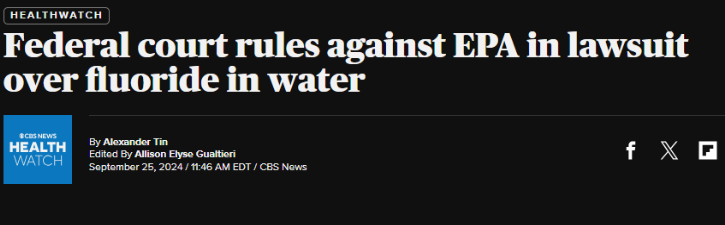
https://www.theguardian.com/us-news/2024/oct/04/fluoridation-water-epa-risk-assessement

Night before wine
- Arsenic
- Lead
- Ochratoxin A
- Glyphosate
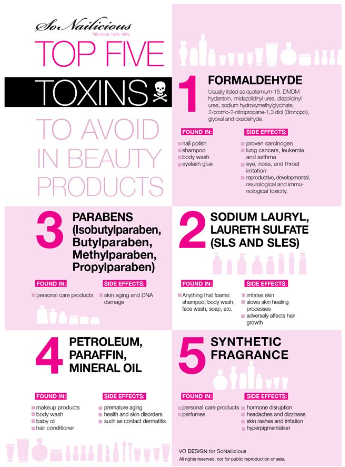
Shampoo/Conditioner/Hair Products
- Parabens
- Phthalates
- Polyethylene glycol
Lotion
- Sodium laureth sulfate
- More phthalates, more parabens
Make-up
- Forever chemicals
- Formaldehyde
- M- and O- phylenediamine
- Nanoparticles
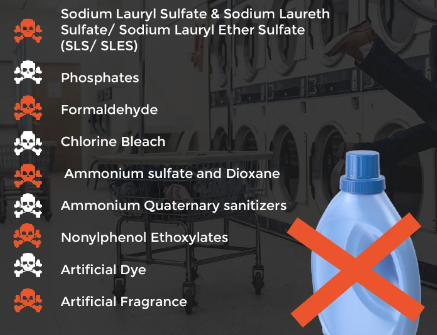
Laundry soap/dryer sheets/fabric softeners
- Phthalates
- Methylisothiazolinone
- Acetone
Coffee
- Glyphosate
- Atrazine
- Mold
“Paper” coffee cup (lined with plastic melting in your latte)
- Bisphenol A
- Phthalates
- Lead
- Heavy metals like chromium/cadmium
- More PFASs (forever chemicals)
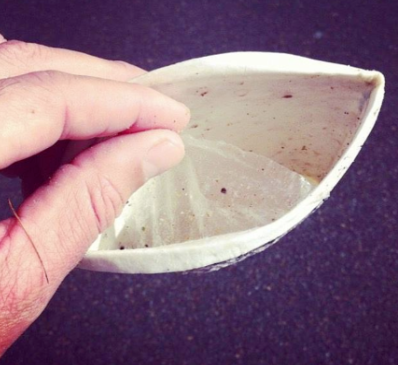
This is what’s inside your “paper” coffee cups from Starbucks (plastic film, melts and then ingested):
Gasoline fumes from sitting behind that Range Rover at Starbucks
- Ethylbenzene
- Hydrocarbons
- Benzopyrene and other polycyclic aromatic hydrocarbons
And that’s all before you’ve even clocked in.
It’s a bad man’s world for real. You haven’t had to drink from the water cooler at work, sit by the printer for your presentation, or eat take out lunch from Panda Express yet. By 8am every morning of every day, most Americans have unknowingly exposed themselves to more toxins than their livers could process in – well, we’re just not sure. There’s no calculator for this so I asked ChatGPT – the big brain learning system tells me the following:
That’s a fascinating question, and it really highlights the immense load our detox organs handle daily. In reality, the liver doesn’t have a clear-cut “processing time” for a single day’s exposure, as it’s continuously working and prioritizing different types of toxins based on immediate need. However, we can break down some rough estimations based on the liver’s detox capacity:
1. Toxin-Specific Detox Rates: Each type of toxin is metabolized at a different rate. For example:
- Alcohol is processed at about 0.015% blood alcohol content per hour.
- Caffeine has a half-life of 3-5 hours, meaning it takes that long for half of it to be metabolized.
- Environmental pollutants and persistent organic pollutants (like flame retardants and pesticides) may take far longer. Some, like certain pesticides or heavy metals, are stored in fat or bone and released gradually over months or years.
2. Phase I and Phase II Detox Pathways: The liver’s detox process works in two phases:
- Phase I: This involves enzymes like cytochrome P450 that transform toxins into intermediate compounds, some of which are more reactive.
- Phase II: This conjugates those compounds, making them water-soluble for elimination.
Both phases are highly variable, influenced by individual genetics, diet, and environmental exposures. An average liver can metabolize certain small, simple toxins quickly, but cumulative exposure (like a day’s worth of chemicals) can quickly add up.
1. Realistic Processing Estimates:
- Moderate exposure (food additives, low-level pollutants): Assuming only moderate toxin intake, the liver can clear most of these within 24-48 hours, given that its pathways are supported and not overwhelmed.
- High exposure (like in the scenario given): With a constant stream of various toxins (flame retardants, benzene, fluoride, etc.), the liver likely can’t clear everything in a single day. Persistent compounds (such as flame retardants and glyphosate) accumulate in body tissues and can take months to years to fully process.
2. Average American’s Liver in Reality: For most people, a day of exposure wouldn’t be fully cleared in a single day. The liver would continue working on that load for days, if not longer, while also managing new exposures the next day. This cumulative burden is why many Americans end up with a “toxic load” that continually strains liver function.
So, even a fully functional liver can be outpaced by today’s daily exposures, emphasizing the need for ongoing detox support and lifestyle changes to keep that balance manageable. This continuous load is what makes regular liver support and mindful exposure reduction so essential for long-term health.
Words words words – Omg. Shoot me. That’s code for ‘ahhh – we’re not certain how toxic it is, but it’s toxic AF for sure’.
And that’s the honest truth. No one knows how long it takes to detox all the crap we’re exposed to in a day, but it definitely takes more than a day. You’re in major backlog. Most chemical garbage that we’re exposed to hasn’t been studied in isolation let alone in combination with all the rest of the crap out there. Suffice it to say, your detox system is working hard and I bet you don’t even know the half of what detox is.
What is Detoxification?
At the base level, detox is not complicated people. If you have a coffee maker, a fish tank, or a car, you have a general idea of what detox involves. It involves filtration. Filtering the crap out, keeping the good stuff in. Every five thousand miles, some of the oil in your car gets to make it another go around, the rest is too filthy to make the cut and has to go. We have filtration systems for our water, our HVAC, our coffee. This is ‘pre-enter-the-human’ detoxification. As convenient as these systems are, our environments are still so horrible that a prehistoric system was still installed by our Almighty creator to save us from ourselves. That’s right. Once your expensive air, water, and basic idiot human purifiers have done the best they can, your liver takes the wheel.
Imagine your liver as a busy factory processing a stream of different chemicals and toxins—things like food additives, pollutants, medications, alcohol, and byproducts of normal metabolism. The body has three “stages” or “phases” to break down and safely remove these substances from your body. Let’s get into it.
Phase 1: Activation (Breaking Down Toxins)
Phase 1 is like the first round of processing. Specialized enzymes in the liver, mainly from a group called cytochrome P450 enzymes, take large toxin molecules and start breaking them down into smaller ones. They also convert dangerous fat-soluble molecules into water soluble ones. The goal here is to make these substances more manageable—but sometimes, these new breakdown products are actually more toxic than the original ones. So on to Phase 2 we go.
Phase 2: Conjugation (Neutralizing Toxins)
In Phase 2, the liver attaches other molecules to these broken-down toxins, making them less harmful and more water-soluble so they can be safely removed. This phase is often called conjugation, where various molecules are attached to the reactive toxins to neutralize them. Think of Phase 2 as the packaging department—it wraps up toxins to prepare them for shipment out of the body.
This stage involves six different “packaging” processes, one of the most important being glutathione conjugation—where the liver attaches a powerful antioxidant called glutathione to toxins to neutralize them. The six packaging processes are:
- Glutathione conjugation (using glutathione, a powerful antioxidant)
- Sulfation (adding sulfur molecules)
- Glucuronidation (adding glucuronic acid)
- Methylation (adding methyl groups)
- Amino acid conjugation
- Acetylation
After conjugation, the toxins become water-soluble, which makes it easier for the body to eliminate them. These now water-soluble, less harmful compounds are transported to the kidneys for excretion through urine or to the bile for excretion through feces.

Phase 3 Detoxification: Elimination and Transport
Usually, medical folks talk about the detox system in just two phases – the converting and binding of garbage floating around in our systems. But the real work is in the less talked about ‘excretory step’ of detox – Phase 3. Once those toxins are ready to go, you’ve gotta get rid of them. Your options here are to poop them out, pee them out, or sweat them out.
OK so hopefully we all agree on the problem – i.e. toxic universe. That’s not true I suspect the rest of the universe is lovely but here in the US anyway… Toxicity and detoxification are important. If you’re not actively and effectively detoxing, you’re just gumming up your engine. Think about the last time you changed the filter on your furnace. Gross.
Thankfully, detoxification is happening right now in the background without you even thinking about it. Unfortunately, if you’re like most Americans, that system is on massive overload. So, what can we do to help speed things along so to speak?
Before even getting into that, might I suggest trying to limit the number of toxins going into circulation. Life on Earth isn’t going to be perfect here but start somewhere and slowly work on cleaning up your environment. Read some labels for starters. See all those big words you can’t pronounce and would be afraid to use in a science experiment? Yes, those. Gone. There are apps that can help you with this. ‘Think Dirty’ is one of my personal favorites. (EWG’s Healthy Living app is another.) You can look up household products, cosmetics, and personal care products or just scan the bar code. It downloads the ingredients and cross references them to the Environmental Working Group’s list of no-nos. Then, it rates products on a scale of 0 to 10 based on how disgustingly poisonous they are. Zero being perfection, and 10 being disaster zone.
Let’s use the Think Dirty app to take a peek at a few things that most Americans use every single day and see how they stack up from a toxicity standpoint.
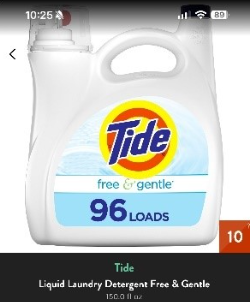
Tide laundry detergent: 10
Tide Free and Gentle detergent: 10
Method Mango Dryer Sheets: 10
Ogx Argon Oil Shampoo: 10
L’Oriel Paris Conditioner: 10
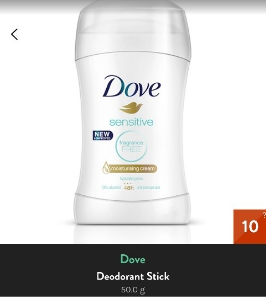
Dove Deodorant for Sensitive Skin: 10
Jergens Skin Firming Lotion: 8
Maybelline New York Foundation: 8
Colgate Clean Mint Toothpaste: 8
Tampax Tampons: 8
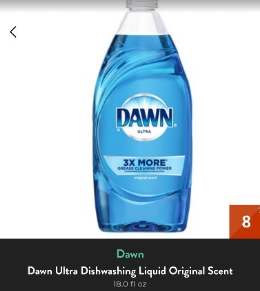
Dawn Dishwashing Liquid: 8
Cascade Dishwasher Detergent: 8
Lysol All Purpose Cleaner: 8
Glade Air Freshener Spray: 8

You see? These are some of the most commonly used personal care and household cleaning products, all with the highest possible toxicity ratings according to the Environmental Working Group. Step one is starting here. Think about what you’re purchasing before you buy it. Do a modicum of research and pick cleaner products. Good luck finding all zeros, but 4 and under is a great first step.
OK – step two is supporting detox. Now that you’ve cut down on the work your liver needs to accomplish today, we’ve got to get through all those back taxes. Got me?
How to Support Phase 1:
Remember, Phase 1 detoxification relies on enzymes like cytochrome P450. That one’s doing the bulk of the heavy lifting. These enzymes need specific nutrients and antioxidants to work efficiently and protect the liver from oxidative stress caused by those nasty reactive intermediates.
- Eat colorful fruits and vegetables rich in antioxidants like blueberries, spinach, and carrots to neutralize those more reactive byproducts.
- Avoid smoking and alcohol as they increase the toxin load.
- Supplement with nutrients like B vitamins, folate, and antioxidants. These are essential for Phase 1.
Supplements to Support Phase 1 Detoxification:
- B Vitamins (B2, B3, B6, B9, and B12): B-complex supplements, or individually as B2 (riboflavin), B3 (niacin), B6 (pyridoxine), B9 (folate), and B12 (methylcobalamin).
- Antioxidants (Vitamin C, Vitamin E, and Glutathione): Phase 1 reactions can create oxidative stress, so antioxidants like vitamin C, vitamin E, and glutathione are essential to neutralize free radicals. Glutathione is especially important as it helps neutralize free radicals and primes the body for Phase 2 detoxification as well.
- Flavonoids: These plant-based compounds (found in Green Tea/EGCG, Quercetin, and citrus fruits) support Phase 1 detox by modulating cytochrome P450 activity and reducing oxidative stress.
- Milk Thistle (Silymarin): Known for its liver-protective effects, milk thistle supports Phase 1 enzymes while providing antioxidant support to reduce liver inflammation.
- N-acetylcysteine (NAC): NAC helps replenish glutathione levels, which are crucial during Phase 1 to protect against the oxidative intermediates generated by cytochrome P450 activity.
How to Support Phase 2:
Phase 2 detoxification requires specific nutrients to conjugate (attach) molecules to toxins, making them water-soluble and ready for excretion. Each conjugation pathway (glucuronidation, sulfation, methylation, etc.) benefits from targeted nutrients.
- Eat sulfur-rich foods like garlic, onions, and cruciferous vegetables (broccoli, cauliflower, Brussels sprouts) to support glutathione production.
- Foods high in amino acids, such as lean meats, fish, eggs, and nuts, are also crucial since amino acids play a big role in this phase.
Supplements to Support Phase 2 Detoxification:
- Glutathione: Essential for glutathione conjugation, this powerful antioxidant binds to toxins, particularly heavy metals and free radicals. Glutathione generally isn’t stable in a capsule form, so liposomal glutathione supplements are best. N-acetylcysteine (NAC) is the immediate precursor to glutathione and is effective as an alternative.
- Sulfur-Containing Amino Acids (e.g., NAC, Methionine, MSM): Needed for sulfation pathways, which require sulfur donors to process and excrete toxins.
- Methylation Support (e.g., Methylated B Vitamins, SAMe): Methylation pathways require B12 and folate in their active, methylated forms (like methylcobalamin and methylfolate).
- Calcium-D-Glucarate: Supports glucuronidation, a major Phase 2 pathway for removing hormones, medications, and environmental toxins.
- Curcumin: This active compound in turmeric supports both Phase 2 conjugation and bile flow, which aids in toxin excretion.
How to Support Phase 3:
Once those toxins are neutralized and water-soluble, they’ve gotta go. Remember our options are to poop them out, pee them out, or sweat them out. Supporting these elimination pathways can prevent the reabsorption of toxins and reduce the body’s toxic load.
Supplements to Support Phase 3 Detoxification:
- Fiber (e.g., Psyllium Husk, Flaxseed, Apple Pectin): Fiber binds to toxins in the intestines, especially those excreted in bile, and helps carry them out of the body. Without sufficient fiber, some toxins can be reabsorbed and recirculated.
- Magnesium: Magnesium helps promote regular bowel movements, which are essential for moving toxins out of the body efficiently. Constipation can hinder toxin elimination, leading to reabsorption. Magnesium citrate or magnesium oxide are particularly helpful for their gentle laxative effect.
- Probiotics and Prebiotics: A healthy gut microbiome is crucial for proper elimination, as gut bacteria play a role in processing and eliminating toxins. Probiotics help maintain a balanced microbiome, while prebiotics feed beneficial bacteria.
- Choline and Inositol: Both are involved in fat metabolism and help support bile flow, which is essential for carrying toxins to the intestines for excretion. Choline is particularly beneficial for liver health and bile production.
- TUDCA (Tauroursodeoxycholic Acid): TUDCA enhances bile flow, which is critical for Phase 3 detoxification. By supporting bile production and flow, TUDCA helps transport toxins efficiently from the liver to the gut for excretion.
- Activated Charcoal or Bentonite Clay: These binders help “catch” toxins in the gut, especially if bile or other pathways are compromised, reducing the risk of reabsorption.
- Diuretic Herbs (e.g., Dandelion Root, Parsley): These herbs support kidney function and increase urinary output, aiding in toxin elimination through urine. And give you something useful to do with your dandelions.
Infrared Sauna – Sweat it Out
Ahhhh – I love my infrared sauna. I’m putting sauna here because it is highly effective in Phase 3 for toxin elimination through sweat. Infrared saunas penetrate deeper into tissues than traditional Finnish saunas, increasing blood flow and mobilizing toxins stored in fat and tissues. Sweating helps excrete heavy metals, environmental pollutants, and other fat-soluble toxins.
Simply sweating is good, but infrared saunas offer benefits above and beyond making you a slimy mess. You will read this debate about near versus far infrared sauna and I am going to argue against the prevailing narrative here. People believe that ‘far infrared’ light penetrates ‘further’ into the body. It doesn’t. Near infrared light is where it’s at. There’s actually one NASA study that showed water-filtered near infrared penetrated close to 20 centimeters into the body — 5, 6 or 7 inches. But on average, it’s several inches of penetration. Once you get out to longer length light waves or ‘far infrared’ waves, tissue penetration drops to a fraction of an inch – closer to a millimeter or two.
From a purely semantic perspective, far infrared seems sensical but it’s just not true when you look at the data. It’s near infrared wave lengths that penetrate the body further – so not only are they mobilizing toxins from deep within the body, near infrared waves activate heat shock proteins, glutathione production, and a magical process called ‘photobiomodulation’.
“Photobiomodulation” means light controlling biology. It’s a process that involves repairing damaged tissue. Improving protein function – decreasing inflammation, improving mitochondrial function, activating heat shock proteins, and increase melatonin production – an extremely powerful antioxidant. It has antiaging effects in the cells, in the DNA and in DNA protein expression. Photobiomodulation is boosting and modulating the immune system.
Beyond deep tissue detoxification, the benefits of infrared sauna include but are not limited to the following:
- Improved cardiovascular health: Regular use of an infrared sauna may improve cardiovascular function and lower the risk of stroke.
- Reduced pain and inflammation: Infrared saunas may help with pain relief.
- Improved mood and sleep quality: Infrared saunas may help improve mood and sleep quality.
- Skin purification: The near infrared wavelength used in infrared saunas may stimulate collagen production, which can improve skin tone and reduce wrinkles.
- Stress management: Heat exposure from an infrared sauna may help the body regulate stress, which can decrease sensitivity to stress and increase stress tolerance.
- Weight loss: Infrared saunas may help with weight loss by burning calories. A 2017 article suggests that a person can burn 400–600 calories and lose about 1 pound of sweat during a 30-minute session.
- Enhanced circulation: Infrared saunas may enhance circulation.
For Phase 3 detoxification, the focus is on supporting elimination pathways in the gut, kidneys, and skin. Supplements like fiber, calcium-D-glucarate, and probiotics support gut and liver function, while TUDCA, magnesium, and diuretic herbs aid bile flow and urine output. Infrared sauna therapy enhances elimination through deep tissue toxin mobilization and sweat, providing an effective, supportive tool for reducing toxic load in the body.
One Last Point – Spike Toxicity
How do I detox from spike protein? Where to put this question. I suppose right here. I get this question all the time. The overwhelming majority of Americans have either been Covid vaccinated, have had Covid, or live/work closely with someone who’s had the jab. As to not trigger the algorithm, I don’t want to get into the weeds of shedding or vaccine injury, but they both happen. Period. What I believe we all can agree on – including ‘mainstream science’ – is that exposure to spike protein on Sars-CoV-2 carries risk. Risk above and beyond that associated with an upper or lower respiratory tract infection.
Detoxing from this spike situation isn’t entirely analogous to detoxing from glyphosate, but because spike protein toxicity affects almost all of us, here you go. Our three letter agencies and major search engines don’t necessarily agree with me here, but exposure to spike caused a lot of damage. This isn’t my spike detox – it is based on this paper by one of the greatest Covid supervillains, Dr. Peter McCullough:
Clinical Approach to Post-acute Sequelae After COVID-19 Infection and Vaccination
Nicolas Hulscher, Brian C Procter, Cade Wynn, Peter A McCullough
https://pubmed.ncbi.nlm.nih.gov/38024037/
- Nattokinase 2000u twice daily
- Bromelain 500mg daily
- Curcumin 500mg three times daily
He recommends this regimen for at least one year for some and potentially indefinitely for most.
Conclusion
We live in a toxic time, in a toxic world. From the moment we wake up, our bodies face a constant, invisible assault. It’s not just one chemical here or one pollutant there—it’s a cumulative, relentless load that our liver, kidneys, and immune systems are fighting day in and day out. And while our bodies are built with remarkable systems for filtering out these toxins, today’s world can easily overwhelm them. This is why active detox support isn’t a luxury; it’s a necessity.
By making simple, intentional choices, we can ease the burden. Start by reducing your exposure wherever you can. Read labels, choose products without harmful chemicals, and support your body’s detox pathways with the right nutrients, lifestyle changes, and tools like infrared sauna. Small shifts make a big difference.
So, here’s to clean living, not in some idealized, unattainable way, but in practical steps you can take every day. After all, your body does so much for you. Give it a fighting chance.
Clean Product Recommendations