
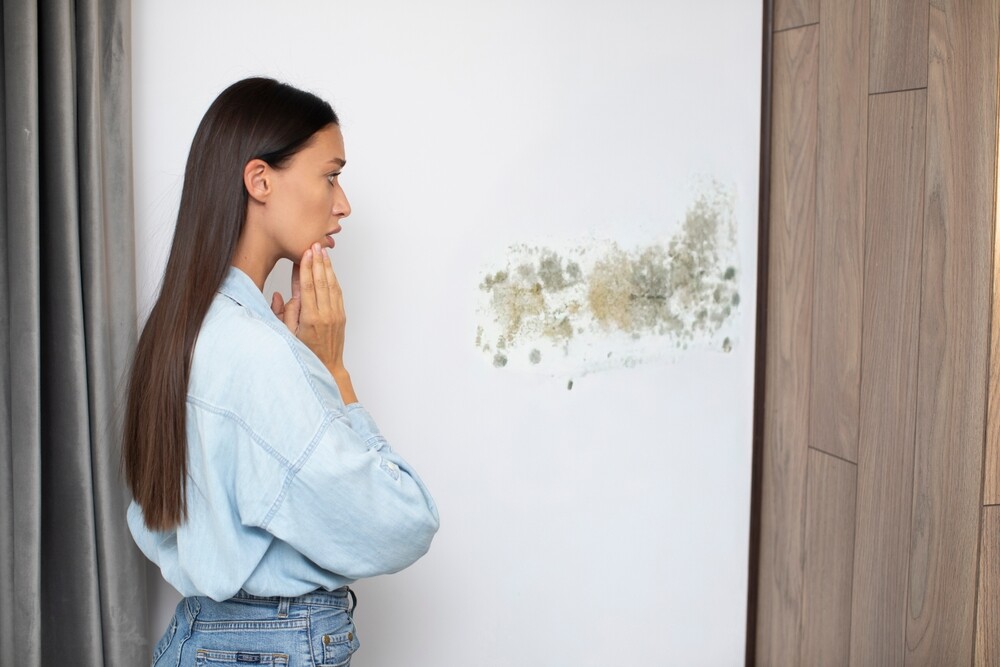
Mold growth in homes is a frequent issue caused by excess moisture and poor ventilation. Recognizing early signs of mold is important to prevent health risks and property damage. Mold is a fungus that grows in damp areas, spreading through tiny spores, and can be problematic indoors, particularly types such as Cladosporium, Penicillium, and Aspergillus. “Black mold,” known as Stachybotrys chartarum, requires special attention.
Mold exposure can lead to allergic reactions, asthma symptoms, headaches, fatigue, and skin irritation. Some molds may produce mycotoxins, posing serious health risks. A musty or earthy smell is a common sign of mold, often noticed in walls, carpets, and furniture. If you detect this odor, especially after rain or in damp spaces, it’s crucial to investigate further to avoid more severe mold issues.
This article with Lindgren Functional Medicine will guide you through the 10 most important warning signs of mold toxicity, empowering you to take prompt action. Early detection and remediation are key to maintaining a healthy living environment.
Common Symptoms of Mold Toxicity
Recognizing the 10 warning signs of mold toxicity early is crucial for regaining your health. Key symptoms indicate mold exposure: persistent fatigue that doesn’t improve with rest, frequent headaches or migraines, respiratory issues such as chronic coughing or nasal congestion, cognitive difficulties such as brain fog or memory lapses, and unexplained skin irritation or rashes.
Dr. Kristen Lindgren, MD, ABAARM, FAARFM, highlights that identifying these 10 warning signs of mold toxicity allows you to take quick action, whether by changing your environment or seeking medical help, which can guide you toward recovery and a healthier life away from mold toxicity.
Top 10 Warning Signs of Mold Toxicity in Your Home
Sign 1: Visible Mold Growth on Surfaces
Visible mold growth is a clear sign of mold toxicity in your environment. Spotting fuzzy or slimy patches, often black, green, or white, on walls and ceilings means mold is present. This not only harms your space but also releases harmful spores and toxins into the air, affecting your health.
Early recognition of visible mold allows you to take action and avoid prolonged exposure, which can lead to respiratory issues, fatigue, and cognitive difficulties. Staying alert and acting quickly helps protect your health and home.
Sign 2: Unexplained Musty Odor
Mold emits a distinct smell that many people describe as musty or earthy, similar to wet dirt or decaying leaves. This odor can indicate the presence of mold, even if it isn’t visible. You might notice the smell more after rain or in closed-off rooms. One homeowner detected this musty scent in a closet and later found a large mold colony behind the drywall, meaning the smell was a key warning sign of mold toxicity.
Sign 3: Water Damage or Stains on Walls
Since mold requires water to grow, signs of water damage can hint at hidden mold. Look for discolored patches on walls, ceilings, and floors, which often indicate prior water leaks. Peeling paint or wallpaper and warped building materials such as soft drywall or bent wood are also important clues. Common causes include leaking pipes, roof leaks, or heavy moisture. It’s important to act quickly if you see these signs.
Sign 4: Respiratory Problems and Allergies
Mold can cause health issues. New or worsening allergy symptoms in you or family members, such as runny noses, sneezing, or itchy eyes, may point to mold. Increased asthma attacks, unexplained headaches, fatigue, or skin rashes can also occur. Health experts advise that mold spores may irritate airways, so if these symptoms arise at home, consider mold a possible cause.
Sign 5: Condensation
Condensation forms when warm, moist air contacts cold surfaces, producing water droplets. Frequent condensation signals high humidity, which can promote mold growth. This issue often occurs in colder months, especially in poorly ventilated bathrooms and kitchens with moisture from cooking. Visible moisture on surfaces may indicate potential mold problems in the home.
Sign 6: Peeling or Bubbling Paint/Wallpaper
When moisture gets trapped behind walls, it can cause paint or wallpaper to react. You might see paint bubbling up or lifting away from the wall. Wallpaper can also start to separate or get blisters. These visual cues are a clear sign of water damage. Such signs mean moisture is present just beneath the surface. This hidden moisture quickly becomes a home for mold. Don’t ignore these visual warning signs of mold toxicity on your walls or ceilings.
Sign 7: Warped or Damaged Drywall/Wood
Prolonged exposure to moisture can seriously damage building materials. Drywall might feel soft or spongy, or it might even start to sag. Wooden structures, such as floorboards or beams, can become discolored, feel soft, or show signs of rot. These structural issues often go hand-in-hand with hidden mold growth. Such damage indicates a long-standing moisture problem. Mold thrives in these damp, dark conditions. Addressing these material changes quickly helps prevent more damage and mold spread.
Sign 9: Leaky Pipes or Roof
Direct water leaks are a prime source of mold problems. Look for any signs of a leaky roof, such as water stains on your ceilings or missing shingles. Evidence of plumbing leaks is also critical. Check for damp patches on floors or water spots under sinks and around toilets. A slow leak, even a small one, can lead to serious mold. For example, one homeowner had a tiny drip behind their kitchen sink. Over time, this slow leak led to major mold growth hidden inside the cabinet and behind the wall. Fix any leaks right away.
Sign 10: Poor Ventilation
Rooms that feel constantly damp or humid often lack proper airflow. Stagnant air allows moisture to build up, creating perfect conditions for mold to grow. Areas such as bathrooms and kitchens need good ventilation to remove moisture from showers and cooking.
It’s important to use exhaust fans in these rooms every time you create steam. Opening windows regularly helps air circulate. These simple actions prevent moisture from settling and reduce the risk of mold. Keeping air moving is key.
Tips to Overcome When You Suspect Mold
Suspecting mold in your environment can feel overwhelming, especially when considering the serious health risks of mold toxicity. However, taking swift and informed action empowers you to protect your well-being effectively.
- First, trust your instincts if you notice warning signs of mold toxicity, such as persistent respiratory issues or unexplained fatigue; don’t delay investigation.
- Second, conduct a thorough visual inspection in damp or poorly ventilated areas where mold thrives.
- Third, improve indoor air quality by increasing ventilation and using air purifiers with HEPA filters.
- Fourth, consult professionals for accurate mold testing and remediation; DIY fixes often miss hidden mold or fail to remove it completely.
- Fifth, regular cleaning and general maintenance of your home also help keep mold away.
- Finally, prioritize prevention by keeping humidity levels below 60% and promptly repairing leaks.
Dr. Lindgren recommends that by following these tips, you take control of mold toxicity before it escalates, safeguarding your health with confidence and clarity.
Final Thoughts: Protecting Your Home and Health
Recognizing the top 10 warning signs of mold toxicity in your home is crucial for maintaining a safe living environment. Mold can harm your health, causing respiratory issues, allergies, and fatigue. Early signs include musty odors, visible mold, water stains, and high humidity. Taking action quickly helps prevent bigger problems.
It’s essential to check for visible mold and understand that hidden moisture can lead to toxic spores. Regular inspections and professional assessments are recommended. If you notice warning signs of mold toxicity, please contact us immediately. Protect your health by acting on mold warnings today.