
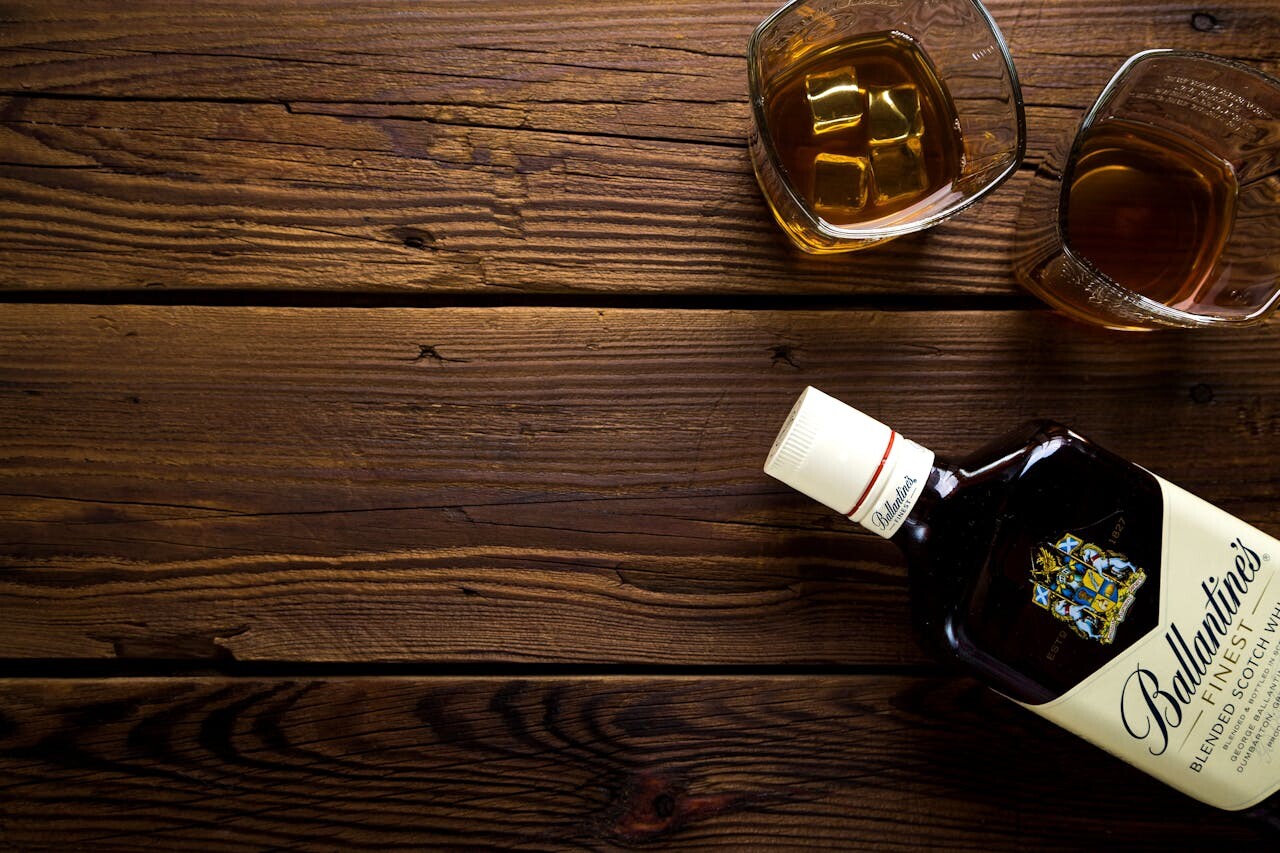
When’s the last time you woke up with a nasty hangover headache and found it a struggle to get out of bed?
Maybe your days of excess alcohol are long behind you, confined to your college days. However, if alcohol is still part of your life—even if you’re not clubbing with your girlfriends anymore—you should be aware of the potential effects on your health.
One notable effect of too much alcohol is joint pain. It’s not something you hear about often, but the link is real, especially if you’re already dealing with underlying health issues.
Let’s take a closer look at how too much alcohol and joint pain develops, and why understanding this link could be the missing piece in your wellness journey.
Inflammation: The Bridge Between Alcohol and Joint Pain
The most direct way joint pain shows up is through increased inflammation in the body. Alcohol is a known inflammatory agent. It disrupts your gut microbiome, raises your cortisol (stress hormone) levels, and triggers immune responses that can lead to swelling in your joints.
Even moderate drinking over time can tip your body toward a state of chronic low-grade inflammation. If you already have arthritis, autoimmune issues, or unexplained pain, alcohol may worsen your symptoms. You might wake up with stiff knees or aching wrists and not realize the glass of wine from the night before is contributing.
At Lindgren Functional Medicine, we work with many patients who’ve eliminated alcohol for a few weeks and noticed their joint pain completely vanished.
Dehydration and Joint Cushioning
Another culprit behind joint pain from too much alcohol is dehydration. Alcohol is a diuretic, meaning it increases fluid loss through urination. That dehydration doesn’t just leave you feeling groggy—it can also reduce the lubrication in your joints.
Joints rely on synovial fluid, a slick substance that keeps movement smooth and cushioned. When you’re dehydrated, your body produces less of this fluid, leading to stiffness, grinding sensations, or sharp aches during movement. Combine that with any underlying inflammatory issue, and too much alcohol resulting in joint pain can become a daily discomfort.
Uric Acid and Gout: A Hidden Danger
One of the clearest examples of too much alcohol and joint pain is gout, a painful form of arthritis caused by uric acid buildup. Alcohol—especially beer and liquor—can spike uric acid levels in the blood. This acid then crystallizes in the joints, often the big toe, causing sudden, severe pain and swelling.
Many people don’t realize their occasional drinking habits are triggering flare-ups. You might think it’s just “old age” or “random pain,” when in reality, it’s your body responding to what it can’t process well.
If you’ve ever had a gout flare or unexplained joint swelling after a weekend of drinking, joint pain from too much alcohol could be the reason.
Sleep Disruption and Recovery Time
Quality sleep is essential for tissue repair, including muscles and joints. Alcohol may help you fall asleep faster, but it interferes with the deeper, restorative stages of sleep. That means your body isn’t recovering properly overnight.
Over time, this lack of deep sleep can worsen inflammation, slow down injury recovery, and increase sensitivity to pain. If you’re waking up feeling sore and sluggish, especially after drinking, it’s another sign that too much alcohol is taking a toll.
Nutrient Deficiency and Joint Health
Alcohol also blocks the absorption of key nutrients—such as magnesium, B vitamins, and vitamin D—that your joints and muscles need to function well. A deficiency in any of these can weaken your structural support system, making you more prone to injuries, cramps, and chronic pain.
For patients we see at Lindgren Functional Medicine, restoring proper nutrient levels through testing, supplementation, and diet can drastically reduce symptoms of too much alcohol and joint pain, even without full alcohol abstinence.
How to Know If Alcohol Is Causing Your Joint Pain
If you’ve been experiencing unexplained joint discomfort, stiffness, or swelling, try this simple experiment: Cut out alcohol for two weeks and pay close attention to your pain levels. Many of our patients are shocked to discover how much better they feel after just a short break.
If you notice a decrease in inflammation, it’s a strong indicator that too much alcohol via joint pain is affecting your body more than you realized.
A Functional Medicine Approach
At Lindgren Functional Medicine in Green Bay, we don’t just treat symptoms—we dig deep to find the root causes. If you’re struggling with joint pain and suspect alcohol might be playing a role, we offer personalized lab testing, detox protocols, and anti-inflammatory nutrition plans that are tailored to your body’s needs.
We’ve helped many patients reduce or eliminate joint pain from too much alcohol through a combination of lifestyle changes, targeted supplements, and functional support. Whether your pain is caused by alcohol, food sensitivities, autoimmune issues, or something else, our team can help you map a clear path toward healing.
Final Thoughts: You Have More Control Than You Think
Surprised at the reality that too much alcohol could cause joint pain? Now that you’ve recognized this link, we hope you can start taking steps to taking better care of your joints—and your liver.
You don’t need to give up your nightly glass of wine, but we encourage you to step back and evaluate how your body may be reacting.
At Lindgren Functional Medicine, we believe your body is designed to heal. Let us help you uncover the hidden triggers holding you back—including too much alcohol causing joint pain—and start living with freedom again.