Three years ago, someone online jokingly posted:
“2023: Corona ended. 2026: Hantavirus.”
At the time, it sounded ridiculous. But in the wake of a cruise ship outbreak involving hantavirus concerns, social media did what social media always does: it spiraled.
Within hours, the internet was flooded with theories about “COVID 2.0,” gain-of-function research, global emergency powers, and vaccine agendas. People began sharing clips about “Pathogen X,” discussing Moderna’s prior hantavirus vaccine research, referencing adverse event reporting databases, and connecting dots in every direction possible.
And honestly, after everything that happened during COVID, can you really blame people for asking questions?
This episode explores the psychology behind the public reaction just as much as the virus itself. Because the hantavirus story became about far more than virology. It became a reflection of what happened to public trust after the pandemic.
The recent outbreak centered around the MV Hondius, a luxury expedition cruise ship traveling near Argentina and Antarctica. What initially appeared to be an isolated medical event escalated after multiple passengers reportedly became ill and concerns about possible human-to-human transmission began circulating online.
Suddenly, the internet collectively time-traveled back to 2020.
Cruise ships. Quarantines. Conflicting messaging. “Don’t panic.”
For many people, the emotional memory of COVID immediately overpowered the actual epidemiology of hantavirus.
And that matters, because hantavirus behaves very differently from COVID-19.
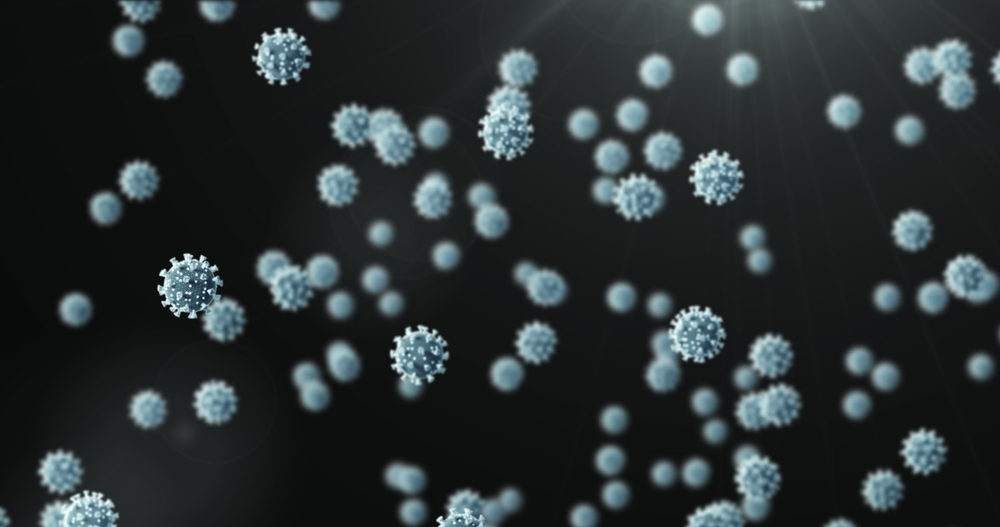
Hantaviruses are not new. They have been known about for decades and are primarily carried by rodents. Most infections occur through environmental exposure, typically involving inhalation of aerosolized particles from rodent urine, saliva, or feces. Human-to-human transmission is considered extremely rare and appears limited to specific strains such as the Andes strain.
Unlike highly transmissible respiratory viruses, hantavirus historically spreads very poorly between humans.
However, what hantavirus lacks in transmissibility, it can make up for in severity. Severe pulmonary cases can deteriorate rapidly and carry frightening mortality rates, which is one reason the word “hantavirus” generates such intense fear.
The episode also explores why people became so suspicious after learning Moderna had reportedly collaborated on hantavirus mRNA vaccine development before most of the public had even heard of the virus. It addresses how public health agencies routinely study dangerous pathogens in advance as part of pandemic preparedness, while also acknowledging that after COVID, many people now interpret preparedness itself as suspicious.
That tension is one of the central themes of the episode.
Because once public trust fractures, every outbreak becomes symbolic. Every vaccine announcement becomes political. Every public health statement becomes dissected online like a crime scene.
And eventually, people stop asking:
“What’s most likely true?”
They begin asking:
“What feels emotionally consistent with my distrust?”
The episode examines how conflicting messaging during COVID permanently altered public psychology. People watched experts disagree publicly, social media platforms censor some discussions while amplifying others, pharmaceutical companies generate massive profits, and official narratives evolve repeatedly over time.
Whether someone believes every conspiracy theory or none of them, the psychological impact of those years was enormous.
That may ultimately be the real story behind the hantavirus panic.
Not the virus itself, but what COVID did to the public’s ability to trust institutions, media, and even each other.
Importantly, the episode also emphasizes that based on everything we currently know, hantavirus does not appear poised to become another COVID-style global pandemic. Most infectious disease experts still believe the broader public risk remains low due to the virus’s poor human-to-human transmissibility.
The practical prevention advice is also surprisingly straightforward:
avoid rodent exposure, avoid inhaling contaminated dust, ventilate enclosed spaces, and use appropriate protective equipment when cleaning potentially contaminated environments.
In other words, the real-world recommendations are far less dramatic than the internet reaction.
Ultimately, this episode is less about predicting another pandemic and more about understanding the world we now live in: a world shaped by post-pandemic trauma, collapsing institutional trust, algorithm-driven fear, and an internet ecosystem capable of transforming uncertainty into hysteria within hours.
Because perhaps the next global crisis will not simply be biological.
It may be informational.