
I thought I had beaten this horse to death, but the subject keeps coming up. So, I am going to take another swing at peptides. What they are, what they aren’t, where they come from, what they do, and why the FDA absolutely despises them. You might think you’ve heard it all before or you might have no idea what a peptide even is. I promise, you’ll learn something here either way. Let’s call this my personal crash course on the ever changing, always dramatic, and infinitely controversial world of peptides. Let’s get into it.
The Money Grab
The FDA has approved over 20,000 prescription drugs for market. According to available data, a significant number of these FDA-approved drugs were later withdrawn from the market due to safety concerns. One report stated that over one-third of new drugs approved by the FDA between 2001 and 2010 were later withdrawn by the FDA (or given the infamous “black box” warning) for safety concerns; a specific count of the exact number of withdrawn drugs is not readily available (strangely…) but is considered substantial.
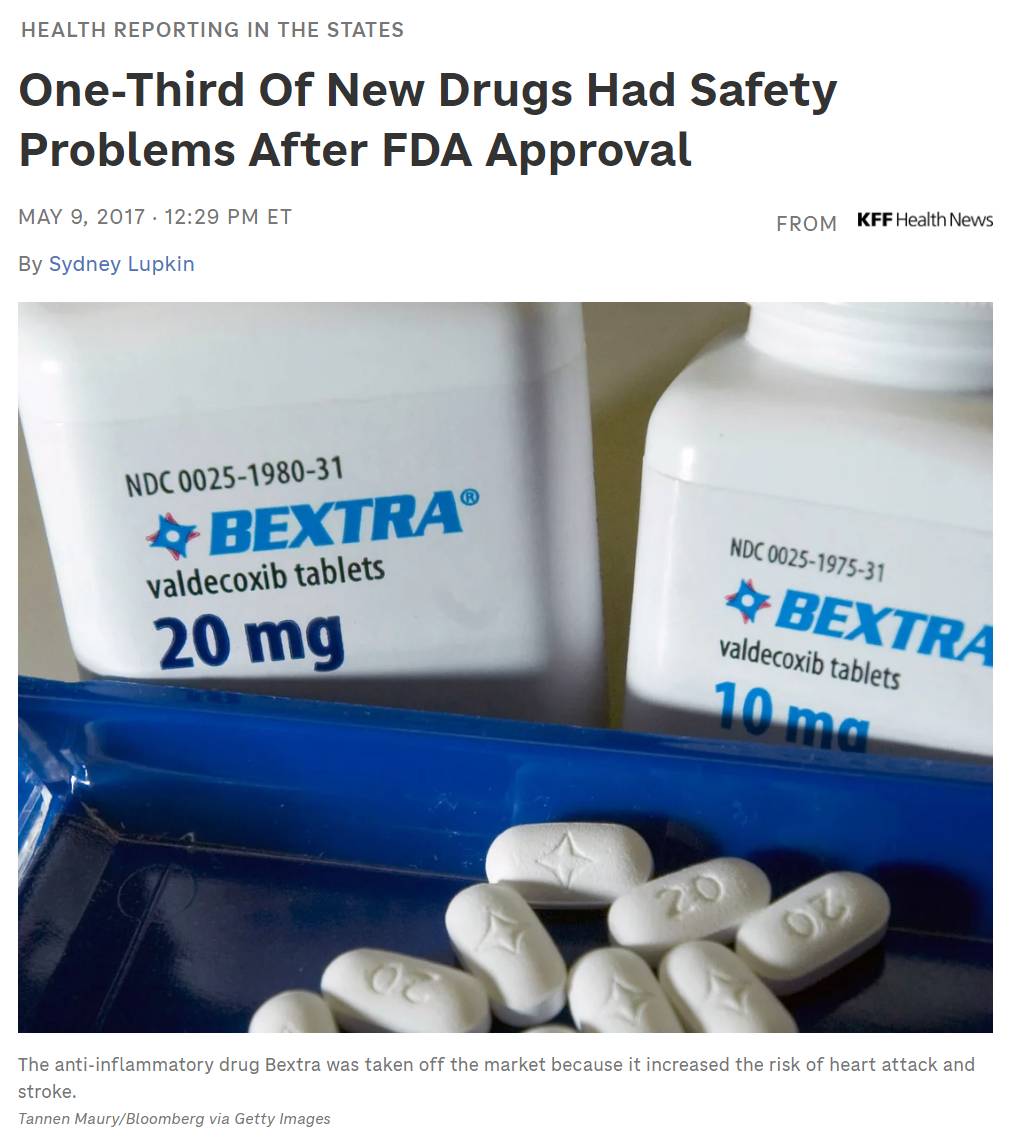
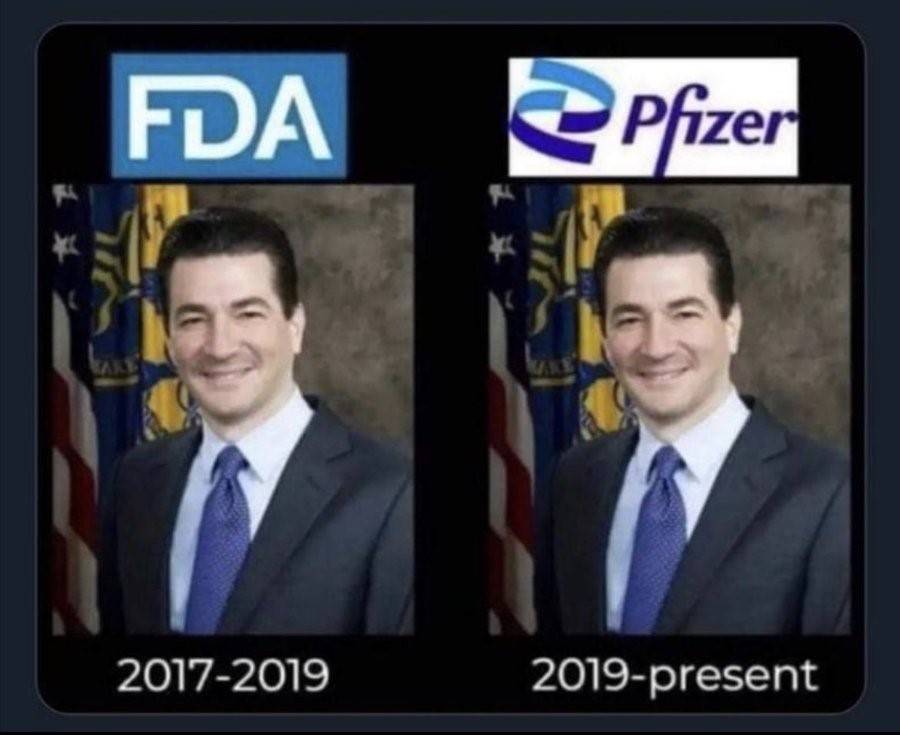
Hospitals, health insurance, and Pharma collectively hold the first, second, fourth, and fifth positions on the list of highest grossing industries here in the US. Commercial banking sits at third, in case you’re wondering. Suffice it to say, medicine is big business. It’s important to keep the Benjamins in mind here because they help explain the revolving door of regulation. And regulation determines options – what you can and what you can’t do to improve your health. These unelected officials go right from regulating Big Pharma, to owning them. Which might help explain why it seems the makers of drugs are in bed with the ones approving them. Because they are.
Dr. Scott Gottlieb, for example, was the 23rd Commissioner of the U.S. Food and Drug Administration (FDA) from 2017 to 2019. After stepping down, he walked across the street and into Pfizer’s headquarters to join their board of directors in 2019. Gottlieb is also a senior fellow at the American Enterprise Institute, and a contributor to CNBC and Face the Nation.
So – there’s that.
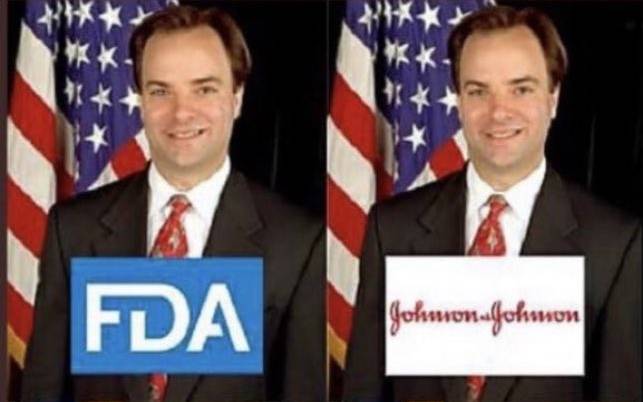
Dr. Mark McClellan was sworn in as Commissioner of the Food and Drug Administration on November 14, 2002. He later joined the Board of Directors of Johnson & Johnson on October 14, 2013.
Dr. Stephen M. Hahn served as the 24th Commissioner of the Food and Drug Administration from December 17, 2019 to January 20, 2021. Jun 14, 2021 he joined Flagship Pioneering, which launched Moderna.
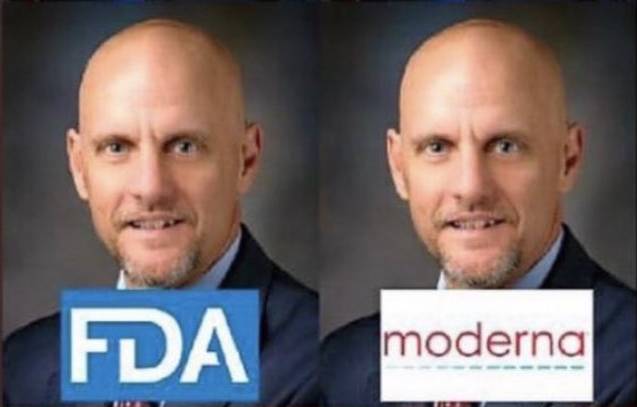
You see what’s happening here? There may just be some – what do the conspiracy theorists say – some conflicts of interest when it comes to the decision making of the people regulating the drugs that get approved and then in turn, what happens to their direct competitors. Maybe. In 2022, the US spending on pharmaceuticals topped $633 billion. With a B. So, one might speculate that some incentive could exist to keep that bank rolling and stamp out any and all competition. Cheap and effective therapeutics – like exercise, vitamins, spinach – stand in the way of hundreds of billions in profits.
Look at the smear campaigns that happened to vitamin D, zinc, and ivermectin during a recent pandemic. It’s horse dewormer. Vitamin D supplementation is dangerous. Studies designed to be underpowered, underdosed, given too late in the course of illness, and ultimately designed with a clear endpoint of ‘these inexpensive things don’t work, use our shiny expensive drugs instead’. It’s the same playbook tactics being employed now with peptides. The classic Disinformation Campaign deployed originally by Big Tobacco.
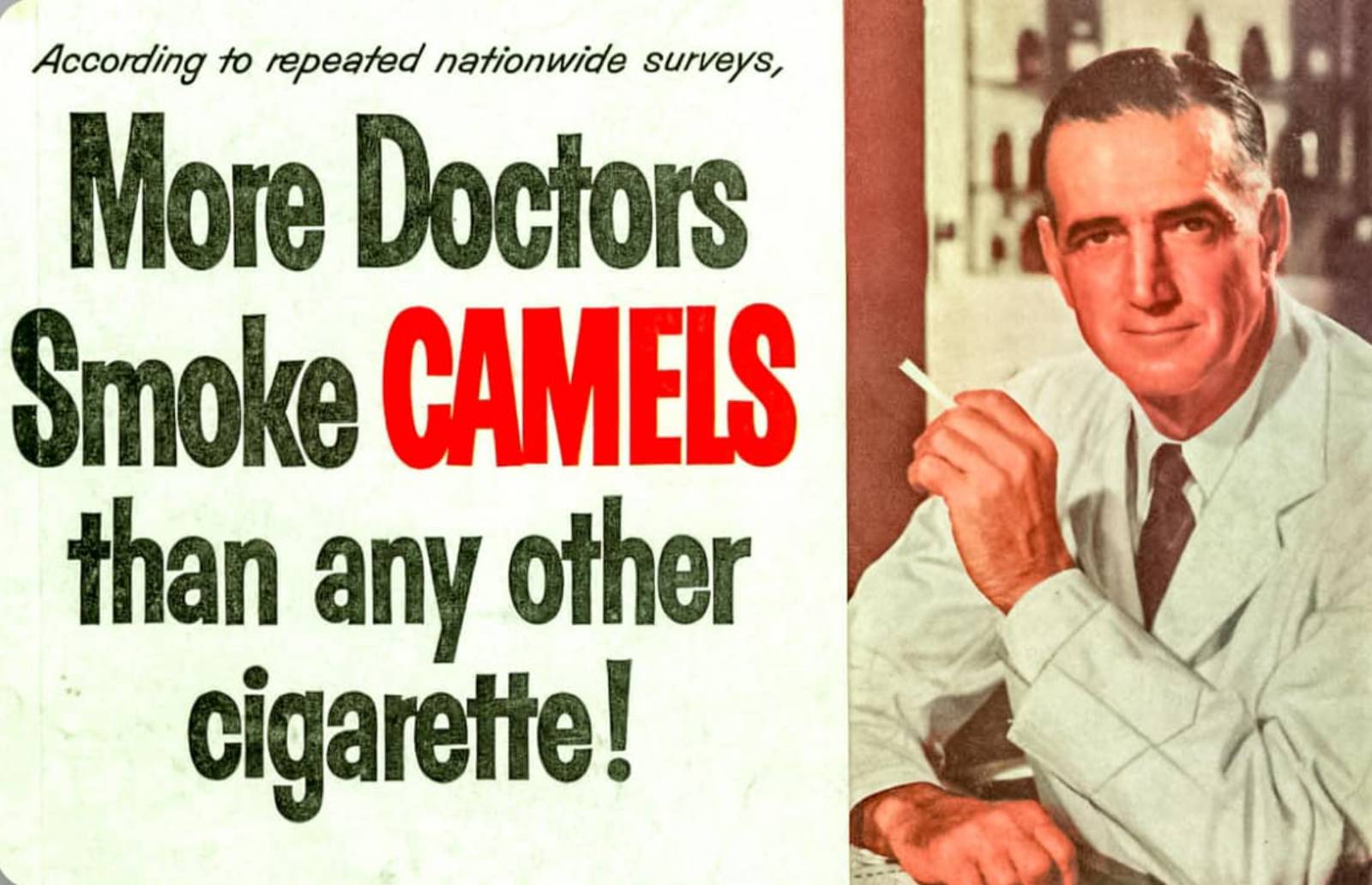
Those of us in the functional medicine space aren’t looking for the least expensive interventions for wellness – we’re looking for the safest and most effective. Sometimes that’s medications, but more often it’s not. You don’t have to take your blinders off for too long before learning that big medicine has an angle. They profit when you take their drugs. And if you get a side effect from one of those, well, here’s another to counter it. Your regular healthcare providers are unlikely to look kindly on alternative or natural therapies. If you heal yourself, well then, no profit share for them. If you can look through the data with the lens of propaganda and profit, the shade directed at therapies like peptides, makes all the sense in the world.
What is a Peptide?
That’s a great question. I’m glad you asked. Up until 2020, a peptide was a string of amino acids (amino acids being the building blocks of life) numbering 50 or less. Once you hit 51, your name changes to a protein. In 2020, the FDA changed the definition of a peptide to a string of amino acids totaling 40 or less. “Science” still uses the old-fashioned definition, but Pharma does not. This allows for certain regulatory changes to be enforced on the 40-50 crew that wasn’t available previously. Generally speaking, there’s more of a ‘hands off’ approach for the smaller molecules and if we can shrink the total number of those, then it’s a win for big medicine.
How Do Peptides Work?
Peptides work as signaling molecules in the body. They bind to receptors on the outside of cells triggering a natural cascade of events inside the cell. Think of peptides as a light switch. They can flip the switch on, to light up your cells. But if the light bulb in a particular cell is burnt out, the cell is going to stay dark.
We typically think of drugs and medications differently. Instead of just turning on the light switch, they enter the room with a crew of contractors and electricians and rewire the whole house. Peptides can’t rewire – they can only enhance what your body is already capable of doing. Does that make sense?
Some drugs are peptides and some peptides are drugs. In the world of functional medicine, we’ve historically used peptides that flip switches that enhance pathways responsible for regeneration, healing, cognition, and immune system function.
Are Peptides Synthetic?
Yes. All peptides are made in a lab somewhere, so by definition they are synthesized. Some peptides, however – like BPC-157 – are synthesized to be ‘bioidentical’ as we say in my business to peptides made by our own bodies. BPC or ‘body protective complex’-157 is arguably the ‘OG’ of peptides. It was discovered as a naturally occurring peptide in gastric tissue. Later we learned it had tremendous potential for healing pretty much all issues related to the gut, but also tissue repair, regeneration, and anti-inflammatory properties.
Some peptides are synthesized to be similar to peptides found in the body. This is typically done for one of two reasons. One is in the name of removing a switch we don’t want flipped. Two, and more commonly, is in the name of making something able to be patented. You can’t patent something made by the human body. Or nature. Ozempic, or semaglutide for example, is 94% identical to actual GLP1, a peptide naturally made by your gut. Novo Nordisk, the maker of Ozempic, swapped out two amino acids for different ones at positions 8 and 34, added a little spacer at position 26, and voilé! – we have a ‘novel molecule’ ready to submit to the patent office.
So, to recap, peptides are short chains of amino acids, the building blocks of life, that often occur naturally in our bodies but are synthesized by scientists. They’re like tiny messengers, delivering specific instructions that regulate processes all over the body.
Here’s a few of the most popularly used peptides in the functional medicine and biohacking space:
BPC-157
- Accelerates Wound Healing: Promotes rapid tissue repair and regeneration, making it beneficial for injuries to muscles, tendons, ligaments, and skin.
- Supports Gut Health: Protects and repairs the gut lining, helpful for conditions like leaky gut, gastric ulcers, and inflammatory bowel disease.
- Reduces Inflammation: Acts as a potent anti-inflammatory, which can reduce pain and swelling in injuries and chronic inflammatory conditions.
- Enhances Joint and Muscle Recovery: Aids in the recovery of joint and muscle injuries, supporting physical therapy and injury recovery.
- Protects Blood Vessels and Organs: Has protective effects on blood vessels, the liver, and other organs, helping to maintain tissue integrity and resilience under stress.
CJC-1295/Ipamorelin
- Boosts Natural Growth Hormone Production: Supports muscle growth, fat metabolism, and anti-aging effects.
- Enhances Recovery and Repair: Aids in tissue repair and can improve physical recovery post-exercise.
- Supports Sleep and Energy Levels: Often improves deep sleep and helps balance energy.
- Promotes Lean Muscle Mass: Beneficial for those seeking increased muscle tone.
Thymosin Alpha 1
- Immune System Modulation: Helps regulate and enhance immune response, beneficial for immune-compromised individuals.
- Anti-Viral and Anti-Bacterial Properties: Provides broad support against infections.
- Anti-Inflammatory Effects: Reduces inflammation, useful for autoimmune conditions and chronic infections.
- Supports Cancer Treatment Adjunctively: Used in some integrative protocols for its immune-boosting properties.
These peptides aren’t just another quick-fix solution. They support the body holistically, helping it to repair, grow, and balance naturally. And if that wasn’t incentive enough to for everyone and their mother to use them—most of these peptides have incredibly low risk profiles, especially when compared to traditional pharmaceuticals. Rarely do they come with the side effects we’ve come to expect from prescription drugs because they can’t ‘override the system’. They can only flip switches.
So knowing this, in September of 2023, the FDA did the only thing they could think of to do with these peptides.
They banned them.
FDA Reclassification: What Happened?
So, here’s where things start to get strange. After years of widespread and relatively uneventful use, these peptides—BPC-157, CJC-1295, Thymosin Beta-4, Ipamorelin, Epitalon, Thymosin Alpha-1—were suddenly ‘reclassified’ by the FDA. I can’t say practitioners across the country were blindsided. The demand for peptides was huge and no doubt chipping away at the market share of other potential medication interventions. We knew this was coming, it was just a matter of when. Late one dark and stormy evening, regulators moved these compounds to what the FDA calls its “Category 2” list. It’s a classification that implies significant safety concerns—concerns so severe, in fact, that compounding pharmacies, both 503A and 503B, have since been effectively prohibited from compounding them.
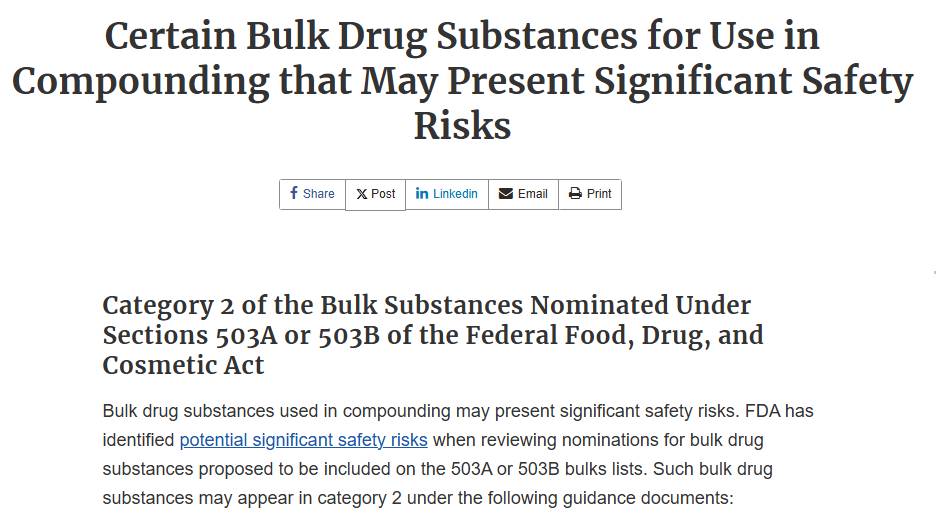
https://www.fda.gov/drugs/human-drug-compounding/certain-bulk-drug-substances-use-compounding-may-present-significant-safety-risks
“Compounded drugs containing BPC-157 may pose risk for immunogenicity for certain routes of administration and may have complexities with regard to peptide-related impurities and active pharmaceutical ingredient (API) characterization. FDA has identified no, or only limited, safety-related information for the proposed routes of administration. Therefore, the agency lacks sufficient information to know whether the drug would cause harm when administered to humans.”
But here’s the interesting part: as of now, there’s been no public mention of adverse events. No sudden spike in dangerous reactions, no mysterious cases linked back to peptide use. Nothing in the data to support this move. So why the change?
If we follow the FDA’s usual playbook, reclassification like this usually comes after reports of harm, or at least new, credible safety data. But that’s not the case here. There’s no publicized study or major red flag; there’s only an unexplained reclassification and, frankly, a lot of unanswered questions.
When medications get the ax, they tell us why. Remember Vioxx?
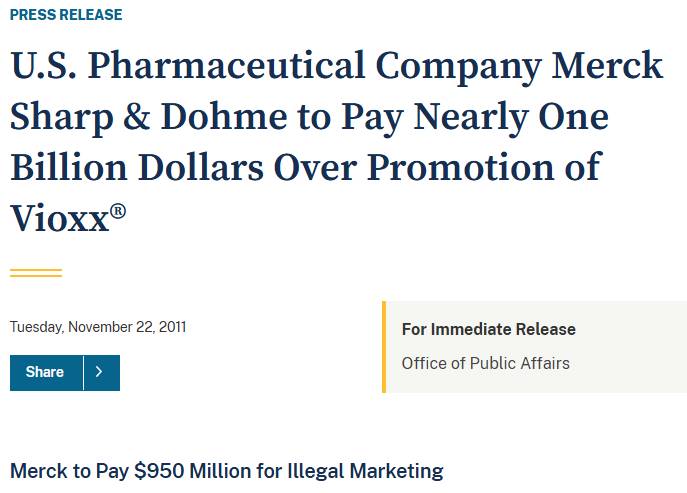
“The study found that as many as 140,000 cases of heart disease in the United States and as many as 56,000 deaths were caused by the painkiller during the five years that it was on the market.”
https://www.latimes.com/archives/la-xpm-2005-jan-25-sci-vioxx25-story
It’s important to tell consumers what the f* the safety data show so we know what the f* to watch out for. Did peptides like BPC-157 cause heart attacks and strokes? Well, we just don’t know. There’s been nothing but radio silence since the ban.
Let’s just look at what’s known about peptides’ safety. These compounds have been extensively used by practitioners for years. The biggest “concerns” raised have been theoretical and involve issues like product purity—not the peptides themselves, but rather the potential contaminants in poorly manufactured products. The FDA’s solution wasn’t to issue stricter purity guidelines or regulate manufacturing, however, —it was to stop compounding altogether.
Some are even saying this decision is less about health and more about… well, business. Let’s face it, peptides are effective, and they’ve quickly gained popularity among patients and providers alike. They’re also much less expensive than traditional pharmaceuticals and carry far fewer side effects. In the world of medicine, they’ve become an attractive alternative, especially when we compare them to more ‘conventional’ options.
I think it’s pretty clear what’s going on here. In a healthcare system dominated by costly pharmaceuticals, is it possible that the real threat of peptides isn’t their “safety” profile—but their competition with big-ticket drugs? It’s not the first time we’ve seen this play out. Safe, low-cost treatments face scrutiny or get pulled from the market without clear evidence of harm. And yet, high-cost drugs with laundry lists of side effects seem to keep their FDA approval with no problem.
We just lived through this with Covid. Dr. Pierre Kory provided expert testimony at the COVID Response Study in October 2022 at the Oklahoma State Capitol showing that of the 47 medications that demonstrated efficacy against Covid-19. The handful approved for use cost hundreds to thousands of dollars for a typical treatment course. The effective therapies that cost $1, $3, $5 for Covid? Well, you remember.
The therapies approved in the US cost hundreds if not thousands of dollars. Every inexpensive off patent or over the counter intervention was either completely ignored or ridiculed into oblivion.
What message does that send? To patients, to practitioners, and even to the wider public?
This reclassification doesn’t just restrict our options—it raises important questions about access, choice, and who really benefits when effective, affordable treatments suddenly disappear from the shelves.
Let’s follow the money trail, shall we? Because as we look at this decision, it’s hard not to ask: if these peptides are safe and effective, why are they being restricted? And who stands to gain from making these compounds unavailable?
Now, here’s where things get interesting. Peptides are, by nature, far less expensive than conventional pharmaceuticals. They’re targeted, often need minimal doses, and don’t require the same heavy manufacturing that pharmaceutical drugs do. And because they occur naturally in the body, they work in harmony with our systems, usually with fewer side effects.
In short, peptides are the kind of treatment that many of us in functional medicine love to use. They offer effective, low-cost solutions that address root causes and support natural healing. But for Big Pharma? Well, let’s just say they’re a direct competitor.
Think about it: why would someone pay thousands for a long-term pharmaceutical when a natural peptide might offer similar, if not better, benefits at a fraction of the cost? BPC-157 for example—a compound with anti-inflammatory and gut-healing properties that many patients swear by. Or CJC-1295, which supports natural growth hormone release without synthetic hormones.
For the pharmaceutical industry, these compounds represent a bit of a financial nightmare. Peptides can target everything from tissue repair to immune modulation, areas where costly drugs once had a monopoly. And the more people turn to these natural alternatives, the more the demand for traditional pharmaceuticals could decrease.
And let’s not forget: pharmaceutical companies are some of the largest lobbyists in Washington. They have substantial influence – to the tune of about $30 million dollars annually, not only on how drugs are regulated but also on how the FDA prioritizes its resources. The timing of this reclassification? It’s hard not to view it through the lens of financial competition. Because here we have safe, effective, and accessible compounds removed from consumer access with no data or adverse events to back up the decision.
If these peptides had any potential for harm, wouldn’t the FDA’s energy be better spent on manufacturing regulations, ensuring product purity and quality? Instead, they’ve taken the drastic step of shutting down access entirely, leaving patients and practitioners without options.
And here’s something else worth considering: with peptides gone, patients are often left with no choice but to turn back to pharmaceuticals. Pharmaceuticals that are not only costlier but often come with a long list of side effects. It begs the question—are we prioritizing profit over patient well-being?
As we navigate this healthcare landscape, these questions become more than just speculation. They touch on our right to choose our access to affordable treatments, and ultimately, who controls our health. And when safe alternatives are restricted without cause, we have to ask: is this really about safety… or is it about control?
But don’t worry—there’s hope. Even with these restrictions, a few promising workarounds are emerging. And for BPC-157 fans, a new alternative is on the horizon. Let’s talk about some of these options next.
Caution: “Research” Pharmacies
So, what now? For patients who have come to rely on peptides like BPC-157, thymosin, or CJC-1295, this FDA reclassification caused a bit of panic on the front end and a mass exodus to the black market for peptides on the back. We knew this would happen. Compounding pharmacies don’t need to register with the FDA. We prefer this because it provides a level of safety. There is no shortage of ‘research pharmacies’ however that compound peptides. They can’t advertise that their products are for anything other than ‘research’, but because peptide compounding is so straightforward, these folks are everywhere. I don’t want to get too sidetracked here, but I can’t help sharing this.
Because of the national shortage of Ozempic and Mounjaro, compounding pharmacies have been given the go ahead to ‘fill in the gap’ with compounded versions of these peptides. Yes, these are peptides too. The makers of these medications are having an absolute meltdown over this. It’s lost revenue for them – a lot of loss. Compounded Ozempic and Mounjaro are a literal fraction of the cost compared to the brand name. Just like all drugs. I just read an article last week on Reuters titled “Novo Nordisk asks US to stop compounding pharmacies from making weight-loss drug copies”. The article states “The Danish drugmaker asked the FDA to consider placing semaglutide (the generic name for Ozempic) on a list of drugs that, even though they are in shortage, are too complex to be copied.”
Semaglutide is 31 amino acids long. Any college student with a sequencer, some raw materials, and the published recipe could make this in their dorm room. The Alliance for Pharmacy Compounding, which represents compounding pharmacists and technicians, said in its statement that Novo was “confusing the fact that the semaglutide molecule is demonstrably difficult to manufacture with the relative simplicity of compounding with it.”
lol
I caution patients about using black or gray market peptides because truly there is no oversight. Unless you personally know the scientists making them, you could be getting peptides that are incorrectly sequenced, poorly stabilized, or worse – contaminated with impurities. There was a study published on this. Admittedly, it was probably 20 years ago, but 200 online ‘research pharmacy’ peptide products were tested. 98% of them contained impurities, contaminates, or straight up fakes.
OK – so gray/black market is an option for some peptides, albeit a risky one if you don’t know who you’re dealing with.
FDA Changes Its Mind – Again?
Just in the past few weeks, the FDA back pedaled on its reclassification of several peptides – including CJC-1295, Ipamorelin, and Thymosin Alpha 1. I can only speculate as to the reason for this but currently they are no longer on the category 2 list. According to their website, they will be re-reviewed in December. At that time, they will either return to ‘safety’, be placed back into category 2, or stricken from the planet altogether. I know where my vote is going, but we’ll know more as we get closer to the end of the year. For now, we can source CJC-1295 compounded with Ipamorelin as well as Thymosin Alpha 1 from FDA registered 503a/b compounding pharmacies.
PDA: A Potential Alternative to BPC-157
That still leaves injectable BPC-157 in the lurch. The FDA seems to be ok with oral and topical BPC, but injectable – which is excellent for tissue repair and injury recovery – is category 2. My people are pretty savvy, however. The 2023 peptide ban was expected, and scientists got to work on alternatives. One such workaround that’s catching attention is something called PDA.
PDA, or Pentadecapeptide Analog, is being hailed as a potential alternative to BPC-157. While it’s not exactly the same, PDA offers very similar benefits to BPC-157, particularly in terms of its anti-inflammatory and tissue-repairing properties. It’s a 15 amino acid analog – just like BPC – designed to mimic the effects of BPC-157 in the body.
PDA isn’t widely available yet, but we can get it from one of our FDA registered compounders. It’s something practitioners are starting to explore as a substitute for patients who are missing the regenerative support of BPC-157. Of course, it’s always essential to work with a qualified provider when trying new therapies, especially with synthetic analogs. But for those who’ve felt the benefits of BPC-157 firsthand, PDA might just be the next best thing.
Peptide Bioregulators
I’ve written fairly extensively on this before, but I want to include it here as another option for peptides sent to compounding jail. Peptide bioregulators are peptides – just really small ones – only 2, maybe 3 amino acids long. They work by flipping switches, just like signaling peptides. But instead of flipping switches on the outside of cells, they flip switches on the inside of cells.
Bioregulators are organ specific – the thyroid one works on thyroid cells, the heart one works on heart cells. There are currently 21 different bioregulators, each with a different target gland or system. Peptide bioregulators work by optimizing gene expression and repairing organ function. They enhance cellular function and restore homeostasis.
The FDA considers them dietary supplements and not ‘biologics’ like injectable peptides. So, they’re not standing in the way of product availability.
Second, peptide bioregulators are extremely small – two or three amino acids in length. They play a crucial role in regulating various physiological processes all throughout the body. Dr. Vladimir Khavinson, a renowned scientist in the field of bioregulation, has extensively researched and developed these peptides, demonstrating their potential in promoting health and longevity. His research has identified numerous applications for peptide bioregulators, particularly in age-related diseases and conditions. Some key areas of application include:
- Anti-Aging & Longevity: Peptide bioregulators have shown promise in extending lifespan and improving overall health in aging populations. They help maintain the structural integrity and function of various organs and tissues.
- Neuroprotection: These peptides have been found to enhance cognitive function and protect against neurodegenerative diseases like Alzheimer’s and Parkinson’s by promoting neuronal survival and reducing inflammation.
- Immune System Support: Peptide bioregulators can boost the immune system, enhancing the body’s ability to fight infections and recover from illnesses.
- Tissue Regeneration: They aid in the repair and regeneration of tissues, making them valuable in treating injuries and degenerative conditions.
Bioregulators aim to ‘heal’ their target – not bandage it. I never recommend anything I haven’t used myself, and I can personally attest to their benefit. I realize I am an N of one, but my personal results with bioregulators have been nothing short of miraculous. As a young person, I did a lot athletically. As a result, I did a lot of damage to my joints. I bet I was prescribed maximum doses of ibuprofen for close to 10 years. My kidneys were shot. We measure kidney or renal function using something called glomerular filtration rate, or GFR. The ideal GFR is greater than 80. Mine was in the low 50s. That’s also called ‘stage 3 chronic kidney disease’ and I had it for years. Last year I took the Kidney bioregulator stack for 30 days followed by 10 days a month x 3 months. My GFR measured three separate times this year was 82. True story.
Up until very recently, we just couldn’t get bioregulators in the US. That has changed. We are finally able to source Khavinson’s natural bioregulators which are encapsulated in the country of Denmark. I am pleased to announce that we now carry them right here at Lindgren Functional Medicine.
The Bigger Picture: Why Transparency Matters
As we wrap up, let’s take a step back. Because this story isn’t just about the availability or blacklisting of peptides, the FDA, or even pharmaceutical interests—it’s about something bigger. It’s about transparency, patient rights, and our ability to access safe, effective treatments that improve quality of life.
When we see compounds like BPC-157 – a naturally occurring peptide made by your body – suddenly restricted, we have to question why. And we’re left wondering: if these safe, naturally derived compounds are blocked without clear evidence of harm, what else might be taken off the table? Who decides what we can or can’t use to support our health?
In a healthcare landscape where patient-centered, affordable options are increasingly hard to come by, moments like this remind us of the importance of staying informed and advocating for ourselves. We shouldn’t have to accept blanket restrictions without an explanation. We have a right to know the “why” behind these decisions, especially when the stakes are our own health and well-being.
And as patients, as providers, as advocates for functional medicine, it’s up to us to continue seeking answers. I think there’s a silver lining here. The fact that so many of us are even discussing peptides, gut health, immune modulation—these aren’t mainstream concepts for everyone. But for those of us who understand the potential of functional medicine, these conversations are essential. They’re what push the industry to innovate and respond to real health needs, not just profit motives.
So let’s keep questioning, keep learning, and keep advocating. When it comes to health, the more we know, the more empowered we are to make choices that serve us—not a system, not a bottom line, but us.
As always, thank you for joining me on this journey. If this episode has sparked questions or thoughts, I encourage you to share them, discuss them, and keep this dialogue going. Because in a world where access to safe, affordable treatments can change in an instant, staying informed and united is one of the most powerful things we can do.
Dr. Kristen Lindgren