
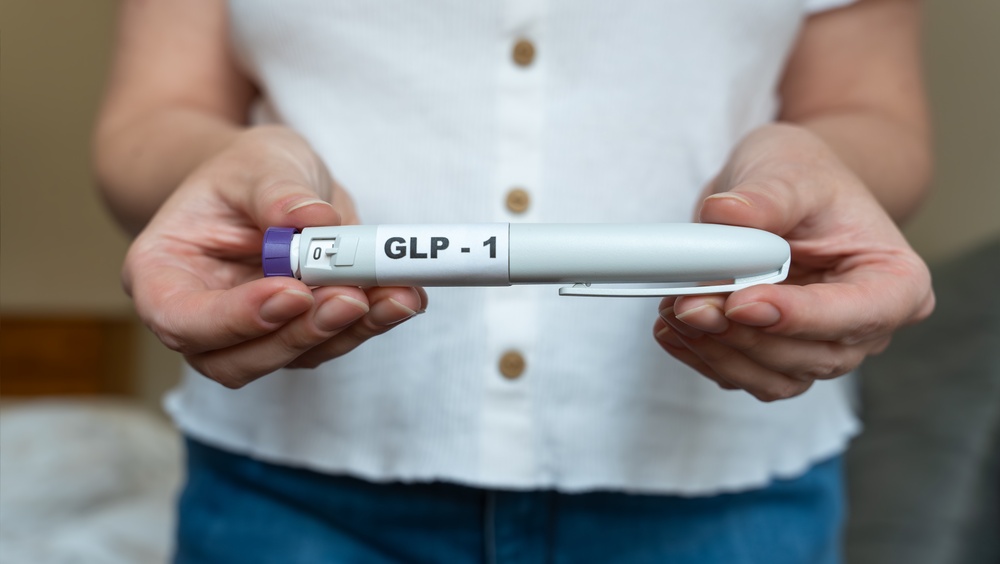
GLP-1 medications have become a powerful tool for managing weight, blood sugar, and metabolic health. But one of the most common questions patients ask is when is the best time to take their GLP-1. The answer isn’t always as simple as picking a time of day — it involves understanding your medication type, your body, and your long-term health goals.
At Lindgren Functional Medicine, we believe in taking a personalized, root-cause approach to care. That includes helping you decide not just the best time to take GLP-1 medications, but whether they’re the right fit for you in the first place. If you’re considering treatment, you can learn more here: https://lindgren.health/glp-1s
What Are GLP-1 Medications?
GLP-1 receptor agonists are medications that mimic a natural hormone involved in:
- Regulating blood sugar
- Slowing digestion
- Increasing satiety (feeling full)
They’re commonly used for managing Type 2 diabetes and more broadly for weight loss and metabolic health.
These medications are typically prescribed and carefully managed by a healthcare provider, and they are not one-size-fits-all solutions.
The Best Time to Take GLP-1
Let’s answer the core question: When is the best time to take GLP-1?
1. Weekly GLP-1 Injections
Most modern GLP-1 medications (such as semaglutide or tirzepatide) are taken once per week.
- You can take them at any time of day
- You can take them with or without food
- The most important factor is consistency
Many patients choose:
- The same day each week (e.g., Sunday morning)
- A time they can easily remember
Because these medications have long half-lives and stay in your system for several days, timing within the day matters.
2. Daily GLP-1 Medications
Some GLP-1s (such as liraglutide or oral semaglutide) are taken daily.
For these:
- Take them at the same time each day
- Some oral forms require taking on an empty stomach
Again, the key principle when asking for timing is consistency and adherence, not perfection.
3. Should You Take It Morning or Night?
There’s no universal “best” time to take GLP-1, but here are some practical considerations:
Morning dosing may help if:
- You want appetite control earlier in the day
- You prefer building routines into your morning
Evening dosing may help if:
- You experience mild nausea with your medication and want to sleep through it
- Your schedule is more consistent at night
Ultimately, the best time to take GLP-1 medication is the time you can stick to every week (or day)!
Understanding GLP-1 Dosage and Titration
GLP-1 medications are not started at full strength. Instead, they follow a gradual dosing schedule (called titration).
Typical pattern:
- Start at a low dose
- Increase every four weeks or so
- Adjust based on tolerance and results
This approach helps:
- Reduce side effects such as nausea
- Allow your body to adapt
- Optimize long-term outcomes
For example:
- Weekly medications often start at a low dose and increase stepwise
- Daily medications may increase more quickly but still gradually
Important: You should never adjust your dose on your own. Always follow your provider’s guidance.
When Should You Consider Using GLP-1s?
Beyond timing, a more important question is this: When is the best time to even start taking GLP-1?
At Lindgren Functional Medicine, we look at the bigger picture.
You might consider GLP-1s if:
- You have insulin resistance or type 2 diabetes
- You’ve struggled with weight despite lifestyle changes
- You experience persistent hunger or metabolic dysregulation
- Other interventions haven’t worked
You may want to pause or reconsider if:
- You haven’t addressed root causes (gut health, hormones, stress)
- You’re looking for a quick fix
- You’re not ready to commit to long-term lifestyle support
GLP-1 medications work best when paired with:
- Nutrient-dense nutrition
- Regular exercise
- Sleep optimization
- Stress management
GLP-1s are a powerful tool, and they should be used as part of a broader effort to achieve lasting health.
Functional Medicine Approach to GLP-1 Therapy
At Lindgren Functional Medicine, we don’t just prescribe medications — we ask why your metabolism is struggling in the first place.
Before or alongside GLP-1 therapy, we often evaluate:
- Hormone imbalances
- Gut health and microbiome
- Nutrient deficiencies
- Inflammation
- Stress and cortisol patterns
This approach helps ensure better outcomes, fewer side effects, and more sustainable results. Instead of sticking you with a prescription after a ten-minute appointment, we’re taking intentional time to evaluate if this is the best path forward for your specific needs.
Tips for Getting the Most Out of GLP-1s
If you and your provider decide GLP-1 therapy is right for you, here are a few practical tips:
Stay Consistent
- Take your dose on the same day/time
- Set reminders if needed
Eat Intentionally
- Focus on protein and fiber
- Avoid large, heavy meals that may worsen nausea
Hydrate Well
- Dehydration can worsen side effects
Be Patient
- Early changes often involve appetite, not immediate weight loss
- Results build over weeks to months
Communicate with Your Provider
- Report side effects
- Discuss dose changes
- Adjust as needed
So, When Is the Best Time to Take GLP-1?
Let’s bring it all together.
The best time to take GLP-1 is:
- The same time each week (or day)
- A time that fits your routine
- A time recommended by your healthcare provider
There is no universally perfect hour, but there is a best strategy: consistency, personalization, and medical guidance.
Partner with Lindgren Functional Medicine
If you’re wondering when is the best time to take GLP-1, you’re already asking the right questions. But timing is just one piece of a much larger health picture.
At Lindgren Functional Medicine, we help you:
- Determine if GLP-1 therapy is right for you
- Address root causes of metabolic dysfunction
- Build a sustainable, long-term health plan
Learn more or get started here: https://lindgren.health/glp-1s