

Merry Christmas, Everyone! I didn’t think sex was necessarily the best holiday topic but maybe it is. My staff thinks it is. Perhaps my girls are more randy than your average. Who’s to judge. Let’s face it: sex is one of those topics that everyone has an opinion about, but not enough people really talk about. And yet, it’s such an essential part of a healthy relationship. So, let’s have some relaxed holiday fun today and dig into the science, the myths, and yes—even a little humor (I’m always trying as you obviously know) —about sex, hormones, and how to reignite the passion to keep your relationship nice and hot this holiday season.
Sex is important. Even if you barely recognize that dude snoring in the recliner over there in the living room today, once upon a time he made your head spin. What? – he did! Broad chest, shiny hair, strong muscular body. Maybe you prefer the smart nerdy eyeglass wearing type. Maybe you’re a girl who prefers girls. I don’t care. What we’re all looking for in a relationship is someone *sorry I’m stealing the line* someone that completes us. We all bring something different to the table and the best relationships are often between two people that, when together, really round things out. That’s what we all want. I don’t know when this became controversial to say, but men and women aren’t equal. We’re not the same. Quite honestly, we might not even be from the same planet. John Gray wrote an entire book on this. Men are from Mars, Women are from Venus? Remember this? I look at my boys and half wonder this on a daily basis. You see the shower? It’s literally right over there. My theory is that men shower for one reason and one reason only. Women.
Relationships always start hot. For the most part, females raise the young, and males protect the females and their offspring from dying so they can pass on their genome. They’re always on the look out for other animals pissed off that this dude has a happy family, and they don’t. I’m absolutely anthropomorphizing here because I can’t speak for the rest of the animal kingdom. Because I’m a female. I identify as a human female, to be exact.
And for us humans, intimacy is important. It’s important for us personally and it’s important for our relationships. I have cows and chickens and from what I can glean from my kitchen window, intimacy isn’t really a thing for other animals. Humans are different. It’s important. But we all know that the sex part of those relationships changes over time.
Several studies confirm that most couples experience what is referred to as ‘The U-shaped Curve of marital satisfaction’. The “U-shaped curve” refers to a pattern in research showing that marital happiness tends to be high at the beginning of a marriage (the so called “honeymoon phase”), then declines significantly during the child-rearing years, before rising again once children leave home and couples enter the “empty nest” stage. This creates a graph that resembles a U-shape when plotted against time in a marriage.

I might throw a few extra things in there and switch others around, but you get the point. It’s not just kids and careers that contribute to intimacy ending up in the tank. Hormones play a huge role as well. Why aren’t they on the chart? Yank that ’25 years’ off of there and add ‘hormones took a shit’. If you’ve ever felt like your relationship is less candlelit dinner and more where did I put the grocery list at 10 p.m., don’t worry. We’ve got you covered.
Let’s get into it.
The Science of Sexual Desire
So, let’s start with what’s happening under the hood. Sexual desire, or libido, is more than mental gymnastics—it’s deeply rooted in biology, and hormones are the key players.
First up, testosterone. And no, it’s not just a “male hormone.” Testosterone is crucial for women too. Testosterone is actually the most abundant biologically active hormone in the female body throughout a woman’s life. Testosterone levels are higher than estradiol levels in women. Surprised? The ovaries produce about three to four times more testosterone than estrogen every day. Testosterone may be as important as, or even more important than, estrogens in determining disease risk in women as they age. It plays a critical role in driving sexual desire, energy levels, body composition and even mood. When testosterone levels dip, so can libido. Think of it as the engine of desire.
The same is true for men. Testosterone levels peak in young adulthood
and then slowly decline over time. The pitch of that slope varies from man to man, but testosterone levels at 50 simply aren’t naturally the same as they were at 25. Why? Because up until 200 years ago, none of us lived this long! If you’re over 40 – man or woman – your testosterone is more likely than not, in the tank.
Then there’s estrogen, the hormone that often gets all the attention when we talk about women’s health. Estrogen does more than regulate menstrual cycles. It keeps your vagina and bladder healthy, enhances sensitivity, and helps maintain blood flow. It’s like the oil keeping everything running smoothly. Literally.
And let’s not forget oxytocin, otherwise known as the “love hormone.” This one is released during physical touch and intimacy—hugging, kissing, and, yes, sex. Oxytocin fosters connection and bonds couples together. Ever wondered why a hug feels so warm and comforting? That’s oxytocin at work.
Hormonal changes during perimenopause and menopause can throw a monkey wrench into all of this. As estrogen and testosterone levels drop, many women notice a decline in their desire and sometimes even physical discomfort during intimacy. It’s like the Sahara Desert becomes you. And while these changes are expected over time, it’s not something you have to “just live with.”
Here’s the key takeaway: If you’ve felt a shift in your desire to have sex, talk about sex, or even think about sex over the years, you’re not alone—and it’s not “just in your head.” These changes are real, physiological, and, most importantly, treatable. The first step? Understanding what’s going on. And that’s what we’re doing here today.
Why Sex Matters in Relationships
Sex is more than just a physical act. It’s a cornerstone of emotional connection, trust, and intimacy in a relationship. Couples who maintain active sex lives report feeling more bonded and satisfied with their partners, and there’s science to back this up. Like this:

https://psycnet.apa.org/record/2008-18705-002
And this:
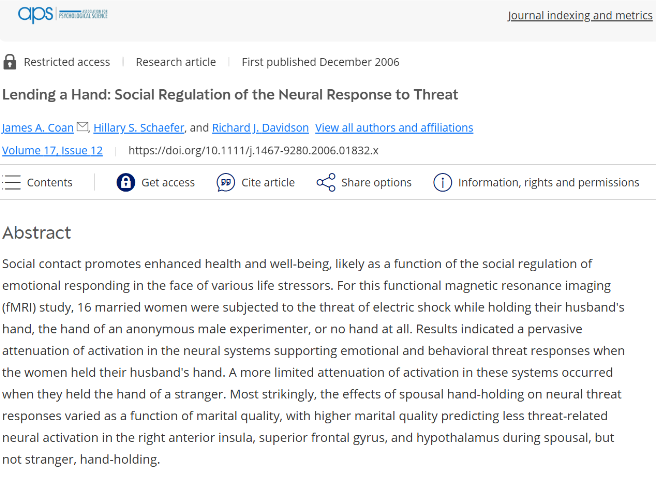
https://journals.sagepub.com/doi/10.1111/j.1467-9280.2006.01832.x
Let’s talk about the emotional benefits first. Sex releases oxytocin, the same hormone I mentioned earlier. This “love hormone” deepens feelings of trust and affection. It’s why you feel closer to your partner after intimacy. Studies show that couples who engage in regular physical intimacy often communicate better and resolve conflicts more effectively.
Now, let’s get to the physical perks. Did you know sex is great for your health? Not just his. It’s like nature’s best-kept secret workout. Regular intimacy can:
- Lower your blood pressure.
- Reduce stress by decreasing cortisol levels.
- Boost your immune system—yes, sex can actually make you healthier.
- Improve heart health by increasing circulation and even lowering the risk of heart attacks.
- Help you sleep better—thanks again to oxytocin and endorphins.
Then there’s mental health. Sex releases dopamine and serotonin, those feel-good chemicals that combat stress and anxiety. It’s like hitting the reset button for your mood. And if you’ve ever noticed a spring in your step after a good night with your partner, that’s not your imagination. That’s biology working in your favor.
Finally, sex is important for the long-term satisfaction of a relationship. It’s not just about the act itself but what it represents: love, care, and mutual investment. When intimacy fades, couples often report feeling disconnected, even if other aspects of their relationship are strong. So, keeping that spark alive isn’t just “nice to have”—it’s crucial for a healthy partnership.
Here’s the bottom line: sex matters. It’s not just about reproduction or pleasure. It’s about connection, health, and happiness. And if you’re feeling like the intimacy in your relationship has taken a backseat, know that there’s always a way to reignite that spark. We’ll get into how in just a bit.
The Barriers to Intimacy
Now that we’ve covered why sex matters, let’s talk about what gets in the way. For many couples, it’s not necessarily a lack of love or attraction—it’s a combination of physical, emotional, and lifestyle factors that build up over time.
First, let’s tackle hormonal imbalances. Low testosterone, declining estrogen, and elevated cortisol levels from chronic stress can all wreak havoc on your libido. Vaginal dryness, discomfort during intimacy, erectile issues, and fatigue are common complaints that are often tied to these imbalances. The good news? These issues are highly treatable. Have your hormones checked! What a concept. How do you know if your hormones are ok if you don’t have them measured? Hormone optimization, supplements, and lifestyle changes can make a world of difference.
Then there’s stress. Modern life is full of it, and it’s a major libido killer. When you’re juggling work, kids, finances, and about a million other things, sex often falls to the bottom of the priority list. Stress increases cortisol levels, which can suppress sex hormones and leave you feeling too drained to even think about intimacy.
Sleep—or lack thereof—is another big one. Poor sleep affects everything from mood to hormone regulation. If you’re both running on empty, it’s no wonder that intimacy feels like a chore instead of a joy.
Next up: emotional barriers. Unresolved conflicts, feelings of resentment, or simply not spending enough quality time together can create distance. Intimacy thrives on connection, and if that connection has frayed, it can be hard to get back in sync. This is particularly important for relationships involving kids. Kids aren’t stupid. They can sense if something is off with their parents. This might sound controversial, but I would argue that it is more important for your kids for you to take your wife out for dinner than to make sure you attend each and every one of little Johnny’s baseball games. Spend time alone with each other. If you’re connecting up here, you’ll connect better down here. The whole family will be healthier. Got me?
And finally, let’s not forget about physical health. Conditions like diabetes, heart disease, and chronic pain can impact sexual function and desire – in both genders. Medications for these conditions often come with side effects that further complicate things. Men, ever try having an erection while taking a statin or a beta blocker or an SSRI? SSRIs are the worst. They make it almost impossible to have an orgasm and positively kill your desire for even having one.
Functional medicine gets at the root cause of chronic disease and can often offer natural or lifestyle solutions to fix these problems without the need for side effect causing medications.
Here’s the thing: none of these barriers are insurmountable. The key is to identify what’s holding you back and address it head-on. Maybe it’s scheduling time for date nights, seeking professional help from a functional medicine provider for hormonal imbalances, or simply having an honest conversation with your partner about how you’re feeling.
And let’s not underestimate the power of laughter and play. Sometimes, reigniting intimacy is as simple as letting go of the pressure and finding joy in each other again. Whether that’s dancing in the kitchen, cracking jokes together, or just embracing for a hug that says “you’re my person”, it’s about reconnecting in a way that feels authentic to you.
Reigniting the Spark
So, how do you take that first step toward bringing intimacy back into your relationship? Let’s break it down into practical, actionable tips.
- Start with Communication: The most important step is to talk about it. Share how you’re feeling. Make sure your partner gets the memo. This is particularly true for you ladies. That man can NOT read your mind. He loves you and in all likelihood, really wants to have sex with you more often than once a week. Even if you’ve been married for 40 years. I can promise, he will do whatever it takes for as long as it takes to please you. But if you don’t know what that is, he’s not gonna know what that is. Know your body, learn what feels good, and just tell him. “I really like it when you do…” whatever that is. My love language is ‘Acts of Service’. Nothing pleases me more than the laundry being already done when I get home from work. Yours could be words of affirmation, quality time, receiving gifts, or physical touch. Sort out what that is for you and communicate it with your partner. He needs to know. He wants to know.
- Prioritize Time Together: Life gets busy, but intimacy needs time. Like I said before, schedule date nights, even if it’s just a simple dinner at home. The goal is to reconnect emotionally and create space for intimacy to naturally follow.
- Address Physical Barriers: If hormonal imbalances or physical discomfort are an issue, seek help. Come talk to me. Bioidentical hormone replacement therapy, lubricants – I personally like our hemp infused Arousal Oil, as well as P shots and O shots can make a big difference. And maybe something for your fried adrenals. Cortisol massagers like adaptogens, CBD, meditation, some yoga.
- Take Care of Yourself: Feeling good about yourself can boost your confidence and desire. Make time for self-care, whether that’s exercise, eating well, or doing something that makes you feel great in your own skin. If you feel good about you, you’re more likely to let someone else in your personal space.
- Laugh Together: Don’t take yourself so seriously. Laughter reduces stress and brings people closer together. Whether it’s watching a romcom, reminiscing about old inside jokes, or just being able to laugh at yourself. Humor is a great way to rebuild connections.
Remember, intimacy doesn’t have to be perfect. It’s about finding joy in each other and celebrating the journey together. The little things—like a shared laugh or a meaningful touch—can add up to something truly special.
And if you need a little inspiration, maybe channel your inner K-pop energy. Just shut up and enjoy this… I love K-pop and K-dramas – there, you know all my secrets now. Yes, that’s right—embrace the playful, uninhibited side of yourself. Dance around the living room, sing loudly in the car, or just let loose in whatever way feels right. Sometimes, the best way to reconnect is to stop taking things so seriously and just have fun.
When to Seek Help
Let’s wrap up by talking about when it’s time to bring in some outside help. Sometimes, no matter how hard you try, barriers to intimacy persist, and that’s okay. Recognizing when you need support is a sign of strength, not failure.
- Sexual Dysfunction: If intimacy is physically painful, don’t ignore it. Not that you could if you wanted to. Conditions like vaginismus, pelvic floor dysfunction, or vaginal dryness can cause discomfort but are totally treatable with the right interventions. A healthcare provider specializing in sexual health can make a big difference. Erectile dysfunction, low libido, or other sexual health issues might feel isolating, but they are incredibly common. Functional medicine prides itself in sexual health and can provide effective solutions. Often this is as simple as fixing hormones. Your libido should not be zero. This is not normal. Not always – everyone is different – but zero interest in intimacy with your partner is usually indicative of an issue. Maybe it’s hormones, maybe it’s a blood flow problem, or maybe it’s where you happen to be right now on the U-shaped curve of relationship happiness. If a kid can come walking in the door at any given moment, then well, get a lock and a doorbell. Just saying. Here’s somethings we look at, use, and correct when working with patients struggling with sex:
- Hormones: Are they well balanced? Are they even existent? Bioidentical hormone therapy to correct imbalances in testosterone, estrogen, progesterone, and cortisol is key. We actually check all the hormones – problems in seemingly unrelated systems can affect all the other systems.
- Medications: Are medication side effects contributing to the problem? If so, they’ve gotta go – or be dose adjusted. Functional medicine gets to the root of chronic disease. We can almost always improve blood sugar levels, blood pressure, insomnia, and pain with lifestyle and interventions that don’t cause sexual side effects.
- Blood Flow: Your important parts need important amounts of blood flow and oxygen to work. Period. Certain medications actually can help with this as can lesser known therapies like peptides, stem cells, and natural electric frequencies. The Oshot and Pshot are procedures (done with local anesthesia) that introduce regenerative therapies like stem cells and exosomes to help repair damaged or aging tissue, you know, there. Peptides like PT-141, peptides that improve body composition and encourage weight loss, interventions like PEMF all enhance libido and sexual function.
- Emotional Distance: If you and your partner feel more like roommates than lovers, it might be time to see someone who specializes in helping with such things. Couples therapists can help navigate the underlying issues, repair broken relationships and build a stronger emotional foundation. Anxiety, depression, and past trauma can all impact intimacy. Make sure your whole-body health is optimized. You’ll be in the best head space to deal with emotional issues or unresolved conflict. If arguments or unresolved issues are driving a wedge between you and your partner, you’ve got to talk it out. Sometimes bringing in a neutral third party like a therapist or your pastor can help you work through them in a productive way. Sometimes non-conventional treatments with psychedelics like ketamine can clear the block. There’s a path for everyone.
- Communication: And communication. Communication is key. As a gross general statement, humans with male genitalia are a little more straightforward to sexually satisfy than those with girl parts. Why God didn’t put our clitoris inside our vagina is a question I’ll ask when I meet the guy. For now, I can only assume it’s to weed out the best possible partner – the ones who know the anatomy issue and care to attend to it appropriately. I’ll leave it at that:)
Seeking help isn’t about admitting failure—it’s about investing in your relationship and your health. Intimacy is a journey, and sometimes we need a guide to help us find our way.
So, take that first step. Whether it’s making an appointment with a functional medicine provider, reaching out to a therapist, or simply starting an open conversation with your partner, know that you’re not alone in this.
Intimacy is as much about the little moments as it is about the big ones. It’s the shared laughter, the gentle touch, the quiet understanding, and the kindness we show one another. Keep showing up for each other, and the rest will follow.