
Welcome, everyone. This blog is based on The Peptide Files—a special podcast series I’ve decided to put together where, until RFK J steps in with the regulatory agencies, science meets scandal, and healing comes in the form of tiny amino acid chains the FDA would rather you forget ever existed. I’m Dr. Kristen Lindgren—and today we’re diving into one of the most legendary peptides in the underground health world: BPC-157.”
Imagine a molecule so powerful it can heal your gut, repair your joints, soothe your brain… and yet, it’s not FDA-approved. It’s not at your pharmacy. And as of recently? It’s banned from compounding pharmacies altogether.
That molecule is BPC-157. A synthetic peptide derived from human gastric juice—used in post-op recoveries, leaky gut protocols, even traumatic brain injury.
But if it’s so safe… and so effective… why is it being buried?
Welcome to The Peptide Files.
What is BPC-157?
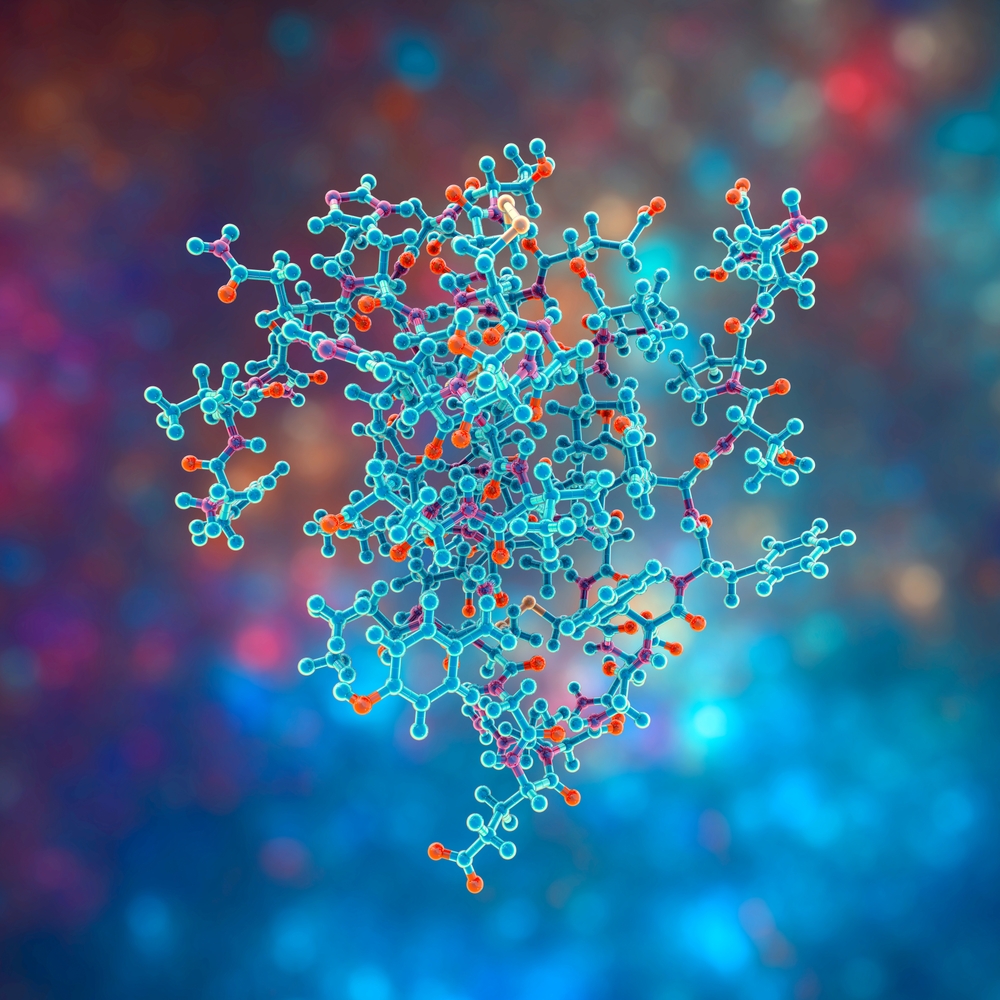
BPC stands for Body Protection Compound, and 157 is the specific sequence of 15 amino acids that make up this tiny but mighty peptide. It’s originally isolated from a protein found in human gastric juice—yep, your stomach lining is basically brewing up healing elixirs on the daily. Who knew? Your gut’s doing more than just digesting tacos and dealing with your stress-eating habits.
Peptides, by the way, are short chains of amino acids. Think of them as the bioactive text messages your body sends to tell cells what to do. When you get 50 or more amino acids strung together, we call it a protein. Less than that? It’s a peptide.
Unless you’re the FDA. Then it’s 40… or 30… or whatever number they decided on during their last conference call that could’ve been an email.
But I digress.
BPC-157 is what I call “biological duct tape”—but fancier. It’s your body’s natural damage control team. It’s been shown in animal studies (and a growing mountain of clinical anecdotes) to accelerate healing in the gut, joints, skin, and even the brain. It doesn’t just mask symptoms—it goes in, assesses the damage, and starts rebuilding.
Like the construction crew that shows up before the place burns down.
Only quieter. No orange vests. And no union rep.
And because it’s naturally occurring in your body (just enhanced and isolated synthetically for therapeutic use), it’s incredibly well-tolerated. That’s one of the reasons it’s so exciting in functional and regenerative medicine circles. It’s not just some mystery compound from a lab—it’s something your own biology already knows how to use.
How It Works
So what does BPC-157 actually do?
Short answer? It’s like the ultimate fixer in a crime drama. You know—the guy who shows up in a black SUV, doesn’t say much, but somehow patches the whole mess before the credits roll? Yeah. That’s BPC-157, but for your tissues.
At a cellular level, it’s a tissue healer and inflammation modulator. It promotes angiogenesis—that’s the formation of new blood vessels, which is kind of a big deal when you’re trying to get oxygen and nutrients to damaged areas. No blood flow? No healing. BPC’s like, “Hold my peptide chain,” and lays down a brand-new vascular road system.
It also encourages fibroblast migration—those are the hardworking little cells that build collagen, patch up wounds, and basically function like biological construction workers with a Red Bull problem. They rush to injury sites, lay down scaffolding, and get things moving.
Even cooler? It upregulates growth factors like VEGF and TGF-beta. (That’s Vascular Endothelial Growth Factor and Transforming Growth Factor-beta, for the nerds in the back.) These growth factors play huge roles in healing, tissue regeneration, and calming inflammation. Think of them as your internal project managers—smart, strategic, and way less annoying than your last Zoom meeting.
BPC-157 also appears to protect endothelial cells, the delicate lining of your blood vessels. That’s huge, especially in chronic inflammatory conditions or post-COVID repair work. It helps balance nitric oxide signaling—which regulates blood flow and reduces oxidative stress—and seems to even calm cytokine storms, which is just a fancy way of saying it reins in out-of-control immune responses before they cause serious damage.
Bottom line?
It doesn’t just cover up the problem like a drug that says, “Here, let’s just mute the pain.”
Nope. BPC-157 goes full functional medicine mode and says, “Let’s figure out what’s broken, rebuild it, and make it stronger than before.”
Basically… it’s the peptide equivalent of a functional medicine doc.
No wonder we love it.
What Can It Help With?
Here’s the part where BPC-157 really flexes. And trust me—I’ve seen it do some wildly impressive things in practice. This isn’t theoretical. This is real patients, real healing, real results.
Let’s start with the gut.
BPC-157 is like the holy grail of gut repair. Leaky gut? Gastritis? Ulcers? Post-antibiotic fallout where your microbiome feels like it just went through a blender? I’ve seen BPC step in like the gut whisperer—sealing tight junctions, calming inflammation, and promoting actual repair of the intestinal lining. It’s not just masking symptoms with antacids and hope—it’s rebuilding the tissue.
Injuries?
This is where athletes, weekend warriors, and that one dad who tore his rotator cuff doing “just one more” pull-up really start to pay attention. We’re talking tendonitis, ligament tears, post-surgical healing. This peptide speeds up recovery like it’s trying to make a deadline. I’ve had patients bounce back from orthopedic surgeries or nagging joint issues faster than their surgeon thought possible.
Then there’s the brain—and this one gets me every time.
Whether it’s TBI, post-concussion syndrome, or just lingering brain fog from long COVID or chronic inflammation, BPC-157 shows promise in supporting neurological repair. It appears to cross the blood-brain barrier (which is kind of a VIP lounge most drugs can’t get into) and supports neurons, reduces neuroinflammation, and helps restore clarity. And in a world full of burnout and overstimulation, that is no small thing.
I’ve also used it in skin repair—from wound healing to post-surgical scarring to weird rashes that don’t play by the rules. One of my favorite clinical applications? Helping patients with long COVID inflammation, where it seems to quiet the immune system’s overreactions and promote repair at a cellular level.
And then—get this—it can even be used as an eye drop.
Yeah. You heard me. I’ve had patients with autoimmune-related dry eye or corneal damage who’ve used BPC-157 topically in the eye with surprising success. The first time I heard that, I did a double take. Wait—what?? Yes. It’s that versatile.
As for how to take it, it depends on what you’re targeting:
- Oral for gut-specific issues.
- Subcutaneous injection near the site of injury or for systemic effects.
- Topical for skin trauma, surgical scars, or even anti-aging protocols.
- And yes… eye drops, though obviously that’s highly off-label and under-the-radar.
It’s like the Swiss army knife of regenerative medicine—only instead of tools, it’s giving you tissue repair, immune modulation, and next-level recovery support.
All without blowing up your liver enzymes or wrecking your gut lining like so many pharmaceuticals do.
Why the Crackdown?
And now… here’s where things get weird.
And maybe a little shady.
BPC-157 was available through compounding pharmacies for years. Functional medicine docs like me were using it safely, legally, and with phenomenal outcomes. Patients were healing faster. Inflammation was dropping. People were getting their lives back.
And then, poof.
Suddenly, the FDA waves its wand and declares BPC-157 a Category 2 Biologic—which basically means it can no longer be compounded or prescribed. No warning. No scandal. No recall. No rash of adverse events. Just… gone.
No safety concern.
No real explanation.
Just a quiet reclassification and a silent disappearance from the compounding world.
Classic.
Why the crackdown?
Well, let’s follow the money, shall we?
BPC-157 can’t be patented.
It threatens multiple billion-dollar drug categories—gut meds, biologics, wound healing agents, anti-inflammatories.
And worst of all? It’s cheap.
That’s not a great combo if you’re a pharmaceutical exec trying to squeeze 10 more years out of your drug portfolio.
So rather than invest in research, they bury it.
Rather than promote innovation, they suppress it.
And the people who pay the price? Patients. Always.
🧬 The PDA Workaround
But of course—where there’s a healing compound that gets shut down, there’s always a creative workaround.
Enter PDA: Peptide-Derived Agent.
Some clinics have started using this as a functional stand-in for BPC-157. It’s marketed as a “similar molecule” with similar effects—but since it’s technically not the same peptide, it’s flying just under the regulatory radar… for now.
Is it as good as BPC-157?
Honestly? We don’t fully know yet.
Early reports from providers (myself included) suggest it’s decent—maybe not quite the OG, but possibly close enough to get meaningful results while the politics shake out.
Because let’s be honest—this isn’t about patient safety.
It’s about control.
🧠 Functional Medicine Use
In my practice, I never use BPC-157 in isolation. That’s not how functional medicine works.
We don’t just throw a peptide at a problem and call it a day.
Instead, I use it to amplify protocols that are already rebuilding the body from the inside out:
- Gut repair that starts with diet, antimicrobials, and microbiome support
- Joint healing with collagen, nutrients, blood sugar balance, and movement
- Neuroinflammation addressed through detox, sleep, mitochondrial support, and—let’s be honest—some serious lifestyle rewiring
BPC-157 doesn’t replace foundational care.
It enhances it.
That’s the sweet spot: using powerful tools to accelerate what the body is already trying to do when it’s given the right environment to heal.
🎤 Closing Thoughts on BPC-157
So, is BPC-157 the holy grail?
Maybe not. But is it a powerful tool in the right hands, at the right time? Absolutely.
And if it’s being suppressed?
Well… that probably means it works a little too well.
Next week on The Peptide Files, we’ll uncover Thymosin Alpha-1—the immune-regulating peptide used in cancer care, autoimmune disease, chronic infections, and yes—even COVID protocols… if you could find it.
Until then—stay curious. Stay skeptical. And stay resilient.
🎧
This has been an episode of The Peptide Files—a production of Lindgren Functional Medicine. For show notes, science links, and clinical pearls, visit lindgren.health. See you next time.